Insights

For a while, the AI story was easy to tell.
The tools were getting better. The demos were getting faster. Every month seemed to bring a new assistant, a new copilot, or a new promise that work was about to become dramatically more efficient.
What has become harder to ignore is everything happening underneath that momentum.
Pricing models are shifting. Usage costs are becoming harder to predict. Access to some models can change depending on region, licensing, or provider policy. Features that look affordable in a demo can behave very differently once they become part of everyday operations. For MSPs, that matters because the question is no longer just whether AI can help. It’s whether AI can be delivered in a way that stays stable enough to build services around.
That’s especially important in cybersecurity.
MSPs serving SMBs don’t need security products that are only exciting in the short term. They need products that remain affordable, reliable, and practical to support over time. AI can absolutely improve productivity, research, triage, and internal workflows. Used well, it can create real operational value. But when AI becomes part of the core product promise, the economics behind it start to matter just as much as the output.
That’s why AI adoption in security needs more discipline than enthusiasm.
At HENNGE, we are actively analyzing where AI can create lasting value without adding cost volatility or unnecessary complexity to the products MSPs depend on. In the meantime, the need in front of most MSPs is already clear: stronger, more practical identity security for SMB clients that solve real problems today without asking them to trade stability for novelty.
The real question is not whether AI belongs in cybersecurity.
It’s how to use it in ways that strengthen the product, protect the customer, and hold up over time.
Why AI Feels So Attractive Right Now
The appeal of AI is easy to understand, especially for MSPs.
They are expected to support more clients, solve more problems, and deliver stronger security outcomes without adding the same amount of headcount, time, or operational overhead. Any tool that promises to accelerate research, summarize information, assist with documentation, reduce repetitive work, or speed up internal response will naturally get attention.
That’s exactly why AI features have spread so quickly across the software market.
For MSPs, the attraction isn’t abstract. AI appears to offer leverage in the areas where pressure is already highest: ticket handling, triage, internal workflow support, knowledge retrieval, and administrative efficiency. A feature that saves even a small amount of time in a repeated workflow can look meaningful when multiplied across clients and technicians.
It also helps that AI is easy to showcase. The value is immediately visible in a controlled setting. A better summary, a faster answer, a cleaner draft, a shorter turnaround time. Those outcomes are tangible, which makes the case for adoption feel straightforward.
That matters because the MSPs getting the most value from AI aren’t treating it as a passing trend. They're evaluating whether it’s practical enough to become part of how they work. In that sense, the momentum behind AI isn’t surprising. It speaks directly to the daily pressure to deliver more without making operations heavier.
The more important question comes later, once those features move from occasional use into normal use, and from optional support into part of the product or service itself.

The AI Market Is Still Economically Unsettled
The AI market is maturing in public while its economics are still shifting underneath it.
That instability shows up in several ways. Pricing models continue to move toward usage-based structures, token consumption becomes harder to predict as tools are used more heavily, and product access can change based on provider policy or geography. OpenAI’s move to test ads in lower-cost ChatGPT tiers is one visible sign that major vendors are still adjusting how these products will make money at scale. Reporting around Anthropic’s licensing restrictions in the United States and Hong Kong points to a different kind of uncertainty: access to leading models is not equally stable across every region or operating environment.
Token economics adds another layer. As AI moves from lightweight prompting into more agent-like workflows, usage can scale much faster than teams expect. Financial Times reporting has already described companies pulling back or putting limits on internal AI usage because costs rose faster than budgets could absorb, especially once agent-style behavior entered the picture. It has also highlighted how token pricing is becoming a meaningful competitive and operational factor in the broader AI market.
For MSPs, this matters because these aren’t abstract vendor-side issues. If AI features are built on pricing models that are still changing, then cost predictability becomes part of the product risk. A feature may still work well. It may still look valuable. What changes is the confidence that it will remain easy to price, package, and support once usage becomes normal across real clients and real service environments.
That doesn’t make AI a bad fit. It does mean MSPs should pay attention to the business model behind the feature, not just how impressive it looks in a demo or trial environment.
Why This Matters Specifically in Cybersecurity
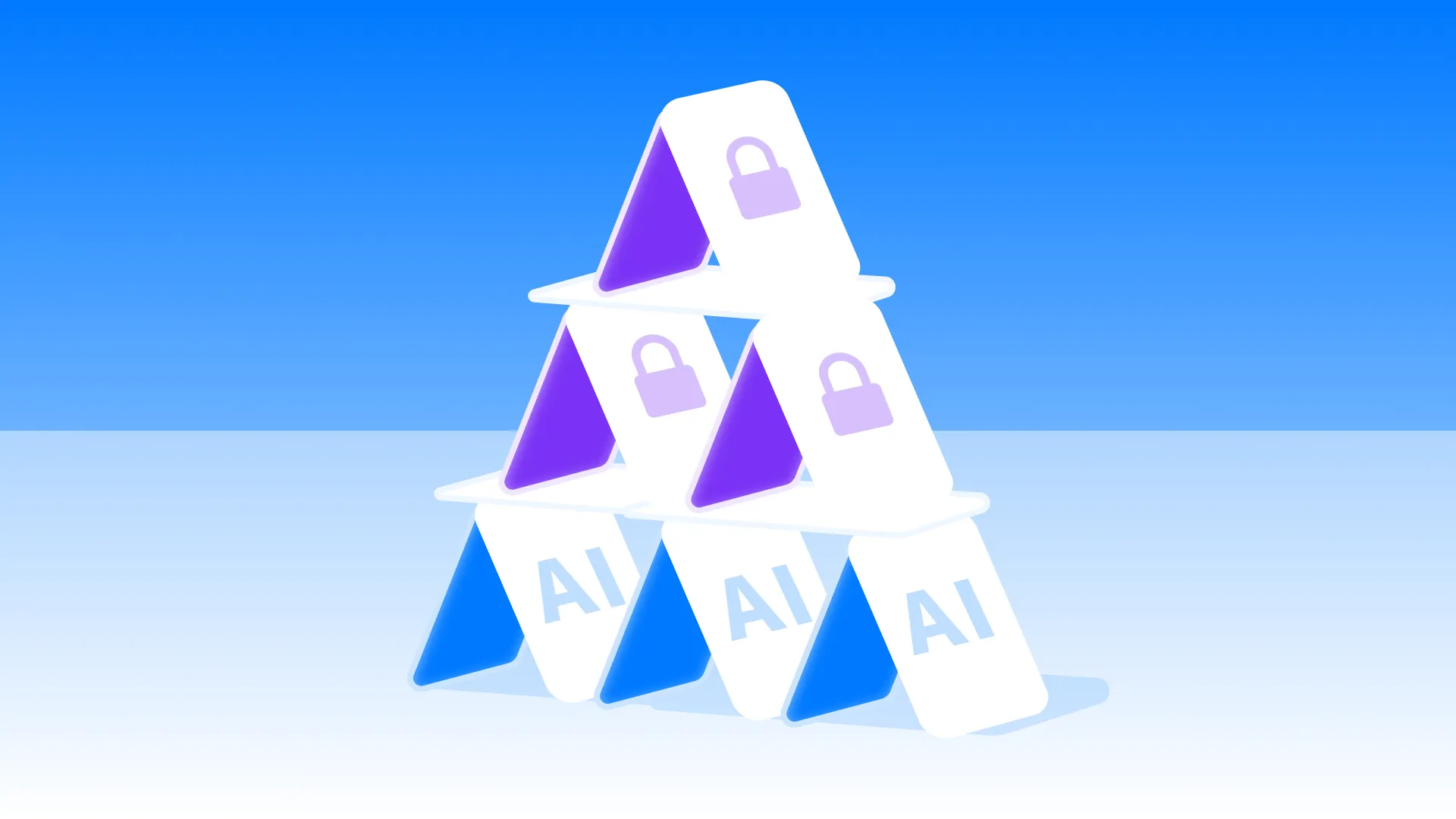
In most software categories, unstable pricing is an inconvenience. In cybersecurity, it affects how reliably protection can be delivered over time.
MSPs are not adopting security tools for occasional experimentation. They are building recurring services around them. That means the underlying product has to remain affordable, supportable, and predictable enough to use across multiple clients with different budgets, risk levels, and operational maturity.
When AI becomes part of that product equation, the economics behind the feature start to matter much more. A security capability that depends heavily on variable usage costs, model availability, or provider-level pricing changes can introduce uncertainty into a service that clients expect to remain stable. The feature may still be useful, but the MSP has to think beyond usefulness alone. It also has to make sense as part of an ongoing, supportable offering.
That pressure is even sharper in SMB security. Smaller clients generally need solutions that are strong enough to reduce risk without becoming expensive to operate or difficult to explain. A feature that adds cost volatility or creates a new layer of operational complexity can weaken the value of the product even if the technology itself is impressive.
This is why AI in cybersecurity has to be evaluated differently from AI in general productivity software. The standard is higher. Security tools sit inside services that clients depend on continuously, and that dependence changes the way vendors and MSPs have to think about durability.
What matters in the long run is not just whether the feature works. It is whether the product stays viable once the AI layer becomes part of normal, repeated use.
What MSPs Should Look for in AI-Powered Security Tools
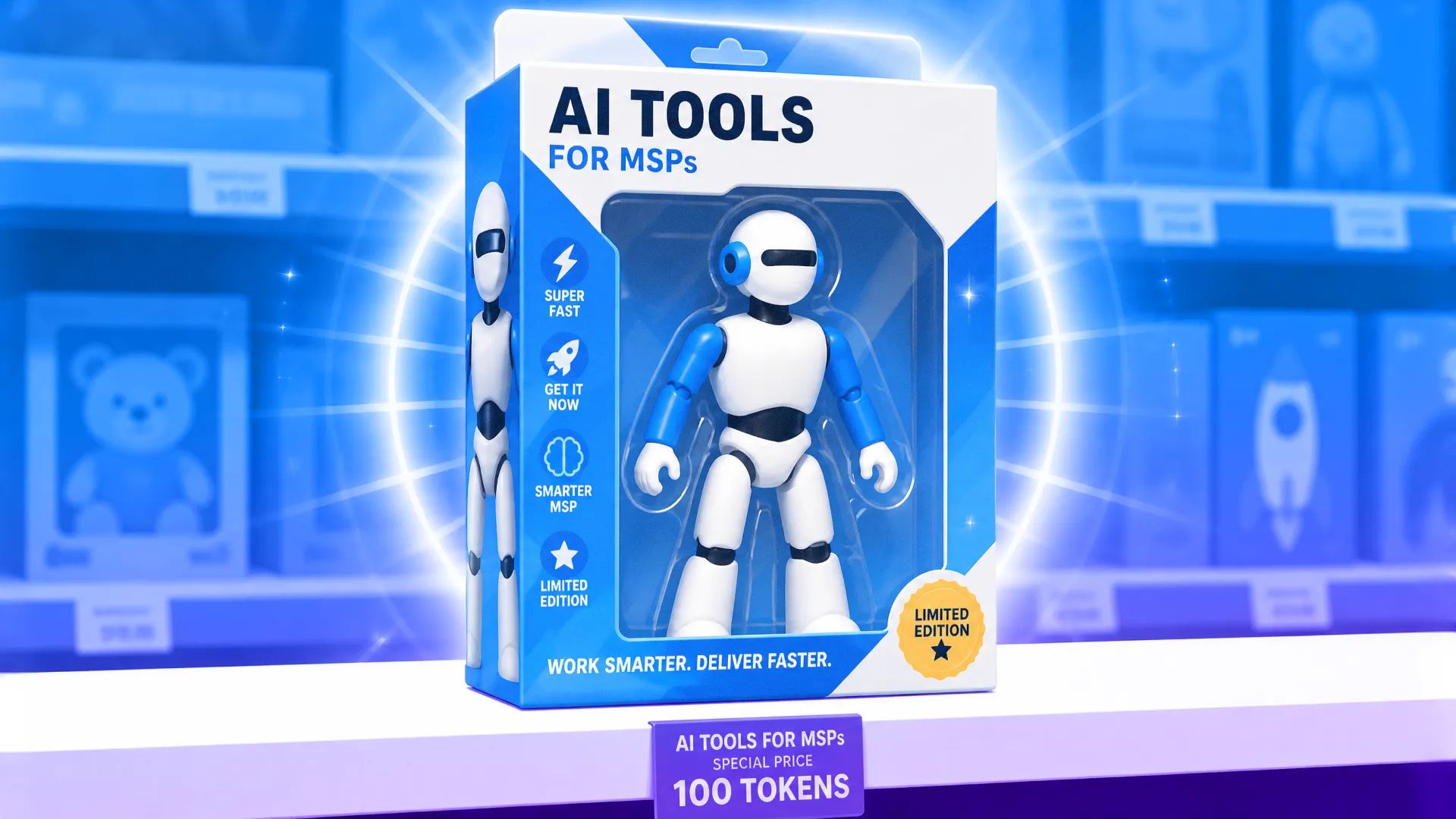
Once AI moves from industry trend to actual buying decision, MSPs need a clearer standard than “this looks useful.”
The first question is whether the feature solves a meaningful operational problem. Some AI capabilities genuinely improve internal efficiency. Others add novelty without changing the quality or consistency of service in a way that matters. That distinction becomes more important when the feature carries a variable cost or depends on a third-party model provider whose pricing and availability can still change.
The second question is whether the feature remains predictable at scale. A tool may look easy to justify when it is used occasionally by a small team. The evaluation changes once that same capability is used across technicians, clients, and workflows every day. At that point, MSPs need to know whether pricing stays understandable, whether usage can be forecast, and whether the feature still makes sense as part of a recurring service.
The third question is where the AI sits in the product. A supporting layer inside internal operations is a very different dependency from a core feature inside the customer-facing security promise. The closer AI gets to the foundation of the product, the more important durability becomes. MSPs need confidence that the value of the product will not shift suddenly because the economics underneath it changed.
The final question is whether the AI feature actually simplifies delivery. A good security product should reduce friction for the MSP, not introduce a second layer of monitoring around where the tool should be used, how much it costs to use, and whether the output is worth the expense. If AI creates more decisions than it removes, its role in the product needs closer scrutiny.
Those questions do not argue against AI. They create a more useful way to evaluate it. MSPs do not need to reject the category. They need to separate durable value from temporary momentum.
Where AI Can Still Deliver Real Value
A more deliberate approach to AI does not mean treating it as something to avoid. It means being clearer about where it helps most.
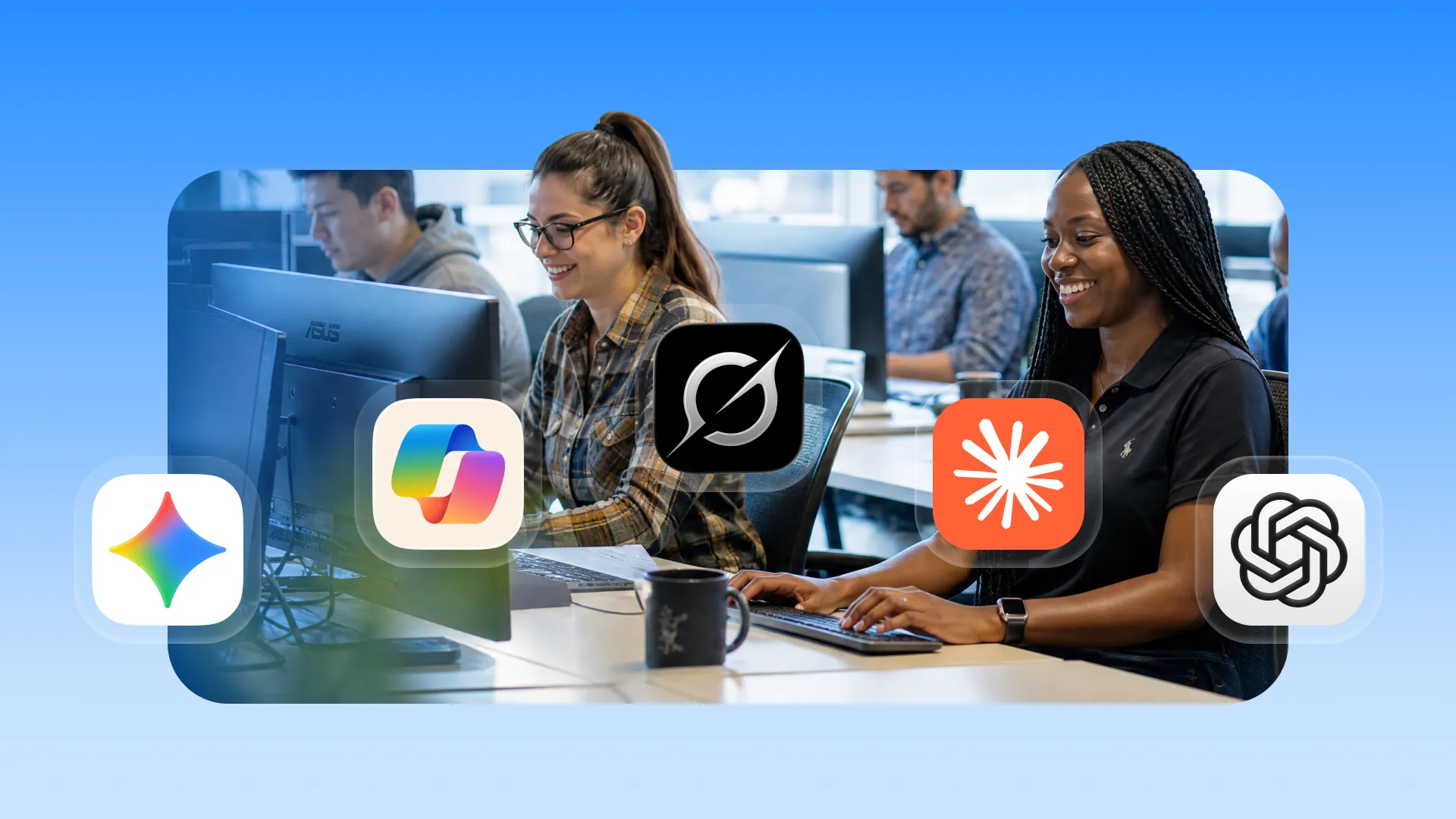
For MSPs, some of the strongest use cases are internal rather than customer-facing. AI can speed up documentation, support research, summarize technical information, assist with triage, and reduce time spent on repetitive administrative tasks. In those roles, it can create meaningful efficiency without becoming the central reason a security product succeeds or fails.
That distinction matters because support functions give MSPs more room to evaluate value over time. The feature can be measured against actual workflow improvement, and its cost can be weighed against the operational time it saves. The relationship is easier to manage when the AI is helping the team work faster rather than sitting at the center of the security promise being sold to clients.
This is also where AI tends to create less strain on pricing and service design. A workflow aid can be useful even if usage fluctuates. A core product dependency creates a very different kind of pressure once clients expect it to be consistently available, affordable, and easy to explain.
For HENNGE, that distinction is important. AI has real potential, and it is worth evaluating seriously. The goal is to introduce it where it strengthens the experience without undermining the simplicity and reliability that MSPs and SMBs actually need. That kind of implementation takes more discipline than simply following the direction of the market.
A measured approach does not slow innovation. It helps ensure that innovation is still valuable after the excitement wears off.
Why HENNGE Is Taking a Deliberate Approach
HENNGE’s position on AI is not built on skepticism. It is built on standards.
HENNGE is actively analyzing where AI can create real value for MSPs and SMBs, especially in areas where it can improve workflow efficiency without introducing a new layer of cost volatility or operational complexity. That work is ongoing, and the goal is practical implementation rather than fast implementation.
That distinction matters because HENNGE’s product philosophy has always centered on making strong security easier to deliver. MSPs serving SMBs do not need more complexity in the name of innovation. They need solutions that stay affordable, reliable, and straightforward to support across real client environments.
That is why HENNGE’s current focus remains on security controls that solve urgent problems now.
Conditional access is one of those controls. It matters because the gap it addresses is no longer theoretical. Stronger access policies are becoming more important in cyber insurance conversations, more relevant to governance, risk and compliance expectations, and more necessary in day-to-day security operations. They help reduce the chance that a phishing-driven login turns into a breach, and they give MSPs more control over how sensitive systems and data are accessed. They also help limit internal misuse and data leakage by ensuring that access is shaped by policy not just by whether a user successfully logged in.
These are not hypothetical roadmap features. They are practical controls MSPs can use today to strengthen identity security for SMB clients without pushing them into higher-cost licensing paths or more complex enterprise-style deployments.
That is the lens HENNGE is applying to AI as well. New technology should strengthen the product promise, not complicate it. If AI can improve the experience while preserving simplicity, affordability, and long-term product stability, it is worth pursuing. If it puts those outcomes at risk, it needs more discipline before it belongs in the core offering.
AI Is Powerful. Discipline Matters More.
AI will continue to shape how software is built, how security teams work, and how MSPs evaluate the tools they bring into client environments. That much is already clear.
What is less settled is which AI-driven products will remain commercially stable once usage becomes normal, margins tighten, and customers expect those features to function as part of an affordable long-term service. For MSPs, that distinction matters. The tools they adopt have to support recurring services, predictable pricing, and consistent delivery across clients who do not have room for enterprise-level overhead.
That is why the conversation around AI in security needs to mature.
The real question is not whether AI can help. It can. The more important question is whether AI is being introduced in ways that strengthen the service model instead of complicating it. Smart MSPs should look beyond the demo and ask whether the product remains practical, reliable, and sustainable when clients depend on it every day.
That is the standard HENNGE is applying.
We are actively evaluating where AI can create real value without undermining the simplicity, affordability, and long-term stability MSPs need to serve SMBs well. At the same time, HENNGE Identity already delivers concrete value where many MSPs need it most today: stronger access control through conditional access, a more secure login experience, and practical identity security that does not depend on higher-cost enterprise licensing paths.
AI is moving fast. The MSPs that benefit most from it will be the ones who adopt it with intention.
If you want to learn more about HENNGE’s approach to practical, sustainable security for MSPs and SMBs, contact us to start the conversation. You can also subscribe to the blog for more insights on cybersecurity, technology strategy, and the realities shaping the MSP market today.