Insights


It doesn’t happen all at once.
A team signs up for a project management tool to move faster. Marketing adopts a design platform. Finance connects a billing service. Someone adds a free AI-powered add-on without telling IT. Each decision makes sense in isolation.
Over time, the result is an environment no one fully understands.
Most SMBs now rely on dozens, sometimes hundreds, of SaaS applications to run daily operations. Many of these tools are adopted outside formal IT processes, with their own logins, permissions, and data access rules. What starts as convenience quietly turns into complexity.
This is SaaS sprawl. And it has become one of the most underestimated security risks facing SMBs today.
Every new SaaS account expands the attack surface. Former employees retain access longer than they should. Permissions accumulate without review. Authentication standards vary from app to app. For MSPs tasked with securing these environments, tracking who has access to what has become an ongoing struggle.
SaaS sprawl is not just an asset management problem. It’s an identity and access problem. And as SaaS adoption continues to accelerate, MSPs are being asked to restore control in environments that were never designed to be centralized.
To understand why SaaS sprawl has become a persistent security challenge, we need to look at how it actually forms inside SMBs.

What SaaS Sprawl Really Looks Like in SMBs
SaaS sprawl in SMBs rarely comes from poor decision making. It begins as everyday problem-solving.
Teams adopt tools to solve immediate needs. A sales team connects a CRM integration. Operations introduces a workflow platform. HR deploys a hiring system. Most of these applications are cloud-based, inexpensive, and easy to deploy, which removes friction from adoption but also removes checkpoints for oversight.
Over time, these individual decisions accumulate. What starts as a handful of productivity tools can quickly expand into dozens of SaaS applications operating across departments.
This is how SMBs reach surprisingly high SaaS counts. Even small organizations can accumulate over a hundred applications when free trials, integrations, and niche tools are included. Many of these apps remain active long after their original purpose has faded.
SaaS sprawl also includes what MSPs often refer to as “forgotten SaaS.” These are tools that no one actively manages but that still hold user accounts and data. They may not appear in asset inventories, yet they continue to rely on employee credentials for access.
From a distance, the environment looks functional. Work gets done. Tools operate as expected. But underneath, access control becomes fragmented. There is no single view of who can log in where, which apps are still in use, or which accounts should have been removed months ago.
This fragmentation is what turns SaaS sprawl from an operational inconvenience into a security concern. Without a clear understanding of the environment, controlling access becomes reactive rather than intentional.
The Security Risks Hidden Inside SaaS Sprawl
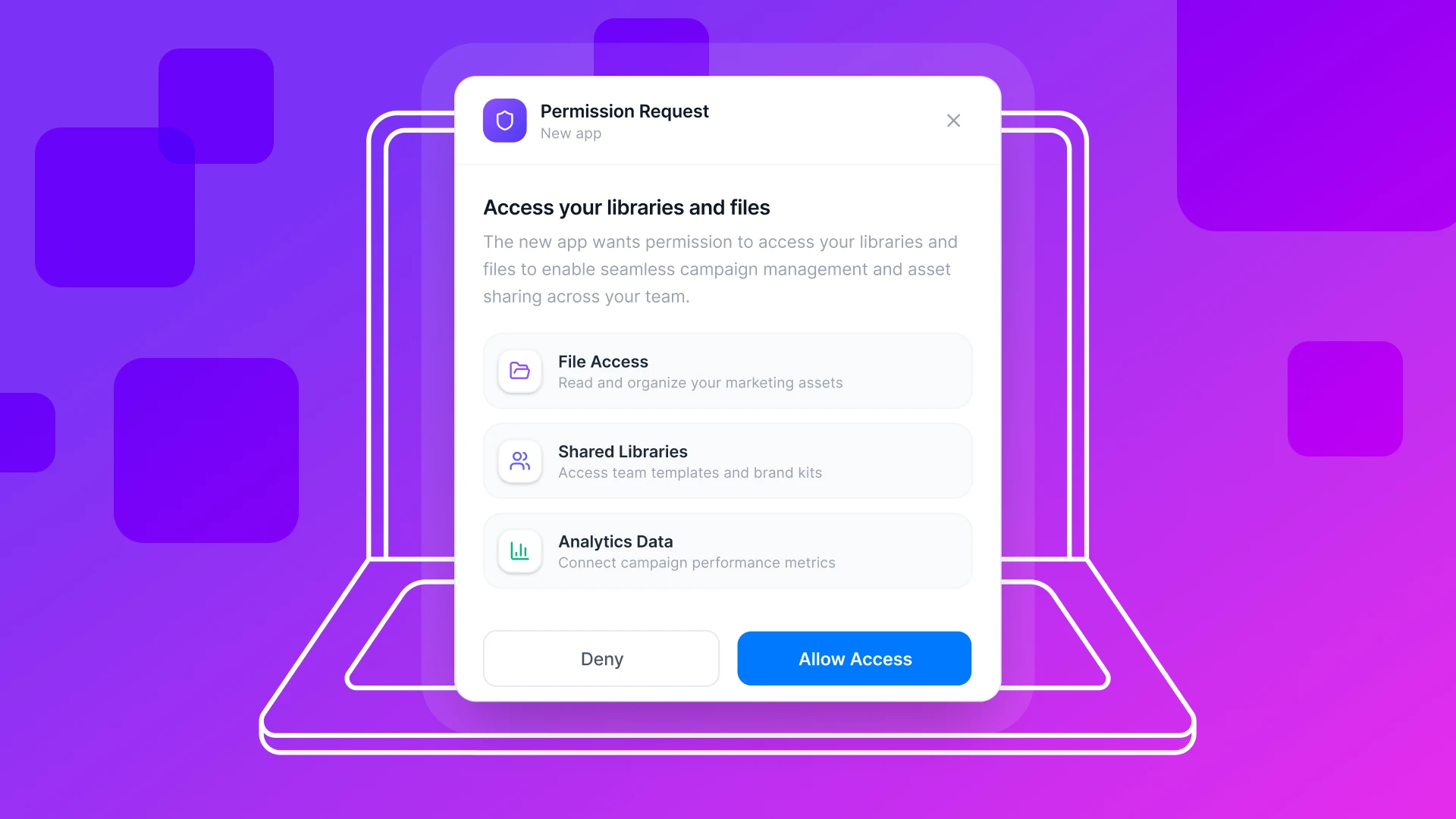
Every SaaS application added to an environment introduces a new access decision. Who can log in. What they can see. What they can change. When SaaS sprawl takes hold, those decisions multiply faster than most SMBs can track.
One of the most common risks is lingering access. When employees change roles or leave the company, their access to older or less visible SaaS tools is often overlooked. Accounts remain active long after they should have been removed, creating opportunities for misuse and compromise. In some cases, former employees retain access to sensitive data simply because the application has been forgotten—or because no one realizes it was adopted in the first place.
Permissions also tend to drift over time. Users accumulate access as responsibilities change, but that access is rarely reviewed or reduced. A tool adopted for a short-term project may still grant broad permissions months or years later. Without centralized oversight, it becomes difficult to determine whether access levels still align with business needs.
Authentication inconsistency adds another layer of risk. Some SaaS tools enforce strong authentication. Others rely on weak passwords or partial MFA. When each application operates under different rules, attackers only need to find the weakest link. Compromising a single SaaS account can provide insight into internal workflows, data structures, or connected services.
Visibility is often the missing piece. Many SMBs don’t have a reliable way to see which SaaS applications are actively being used, who access them, or how often. Without the visibility, detecting, detecting abnormal behavior or responding quickly to incidents becomes challenging.
Taken together, these issues expand the attack surface in ways that are easy to underestimate. SaaS sprawl doesn’t usually cause a single dramatic failure. Instead, it creates many small access gaps that quietly increase risk over time. For MSPs, these gaps are difficult to manage without a more centralized approach to identity and access control.

Why SMBs and MSPs Struggle to Keep Up
By the time SaaS sprawl is visible, it’s usually already entrenched. The challenge for both SMBs and MSPs isn’t a lack of awareness, but a lack of leverage.
For SMBs, SaaS adoption is driven by business needs rather than IT strategy. Teams choose tools based on speed, usability, and immediate value. Centralized oversight often comes later, if at all. As a result, access decisions are made at the moment and rarely revisited. What starts as a temporary workaround becomes part of the permanent environment. Once users sign into third-party SaaS applications, access rules and permissions often live elsewhere, disconnected from the directory.
For MSPs, the difficulty is scale. Each client environment evolves differently, with its own mix of applications, authentication methods, and user behaviors. Even when MSPs document access during onboarding, that information quickly becomes outdated as clients adopt new tools independently.
Manual processes make the problem worse. Reviewing SaaS access, cleaning up permissions, and responding to access-related incidents require time and context that MSPs rarely have at scale. These tasks compete with higher-priority work and are often handled reactively, during audits or after something goes wrong.
There is also a visibility gap. Without a centralized way to understand who is accessing which applications and under what conditions, both SMBs and MSPs are forced to make assumptions. Security questions are based on incomplete information, and risk accumulates quietly in the background.
This is why SaaS sprawl persists even in organizations that care about security. The problem is not negligence. It’s fragmentation. And without a unifying approach to identity and access, neither SMBs or MSPs can realistically keep pace with the rate at which SaaS environments grow.

Why SaaS Sprawl Is an Identity Problem, Not Just an IT One
At first glance, SaaS sprawl looks like an inventory problem. Too many tools. Too many subscriptions. Too much overlap. But beneath the surface, the real issue is not the number of applications. It’s how access to those applications is controlled.
Every SaaS tool ultimately relies on identity. Users log in, permissions are assigned, and access is granted based on who the system believes the user is. When SaaS adoption grows faster than identity governance, access decisions become fragmented and inconsistent by default.
This is why managing SaaS sprawl through individual applications rarely works. Each tool has its own permission model, security settings, and administrative interface. Even well-intentioned attempts to standardize access break down when policies must be recreated again and again across dozens of platforms.
Identity is the only layer that spans the entire SaaS environment. It’s the common thread that connects users to applications, regardless of where those applications live or who adopted them. When identity is treated as infrastructure rather than configuration, access rules can be defined once and enforced consistently.
For MSPs, this distinction matters. SaaS sprawl can’t be solved by chasing down every new application as it appears. It requires a control point that sits above individual tools and applies the same logic everywhere. Identity provides that control point.
Reframing SaaS sprawl as an identity challenge changes how solutions are evaluated. Instead of asking how to secure each application, the question becomes how to govern access across all of them. That shift is what allows MSPs to move from reactive cleanup to intentional control.

How MSPs Can Regain Control with an Identity-First Approach
SaaS growth can’t be reversed, but it can be structured.
For MSPs, regaining control doesn’t begin with restricting application adoption. It begins with establishing a centralized identity layer that governs how access is granted, maintained, and revoked across every SaaS platform in use.
Centralized Access Through Single Sign-On
When each SaaS application manages authentication independently, visibility fragments quickly. Single sign-on (SSO) consolidates that surface.
Routing authentication through a unified identity provider allows MSPs to see which applications are actively being used, which users are accessing them, and how authentication policies are applied. Instead of dozens of isolated login systems, access flows through one control layer.
This consolidation reduces password reuse, improves enforcement of multi-factor authentication, and provides a clearer map of the SaaS ecosystem.
Automated User Lifecycle Management
SaaS sprawl often exposes gaps during employee transitions.
New hires accumulate access across multiple applications. Role changes introduce permission creep. Departures leave residual access behind.
Automated joiner, mover, and leaver workflows help standardize this process. When user identity is centrally managed, access can be provisioned on role and revoked immediately when employment ends. This reduces manual cleanup and ensures permissions remain aligned with business function.
Lifecycle management turns SaaS access from a reactive task into a predictable process.
Conditional and Context-Aware Access Controls
Not all applications carry the same risk. Financial systems, HR platforms, and administrative consoles require stronger safeguards than routine collaboration tools.
An identity-first approach allows MSPs to apply differentiated authentication requirements based on application sensitivity, device trust, IP range restrictions, and access timing. These controls strengthen protection where exposure would have the greatest impact.
Context-aware policies also support productivity by applying additional safeguards only when necessary, rather than introducing uniform friction across all applications.
Ongoing Monitoring and Visibility
Centralized identity provides ongoing insight into SaaS usage patterns.
MSPs gain the ability to:
Identify inactive applications
Detect unusual access patterns
Review privilege alignment
Support compliance audits and security reviews
Over time, this visibility helps transform SaaS management from reactive troubleshooting into structured governance.
Regaining control over SaaS sprawl is less about restricting growth and more about governing access consistently. When identity sits above individual applications, MSPs can manage expanding SaaS ecosystems without expanding operational complexity at the same rate.
The MSP Opportunity: Turning SaaS Chaos Into a Managed Service
SaaS sprawl is often framed as a problem to contain. For MSPs, it also represents a service opportunity.
As SMBs adopt more cloud applications, the need for structured access governance grows. Many business owners recognize the complexity but lack the internal resources to manage it effectively. They need oversight, consistency, and reassurance that their expanding SaaS environment remains secure.
This creates space for MSPs to formalize SaaS access governance as a recurring service.
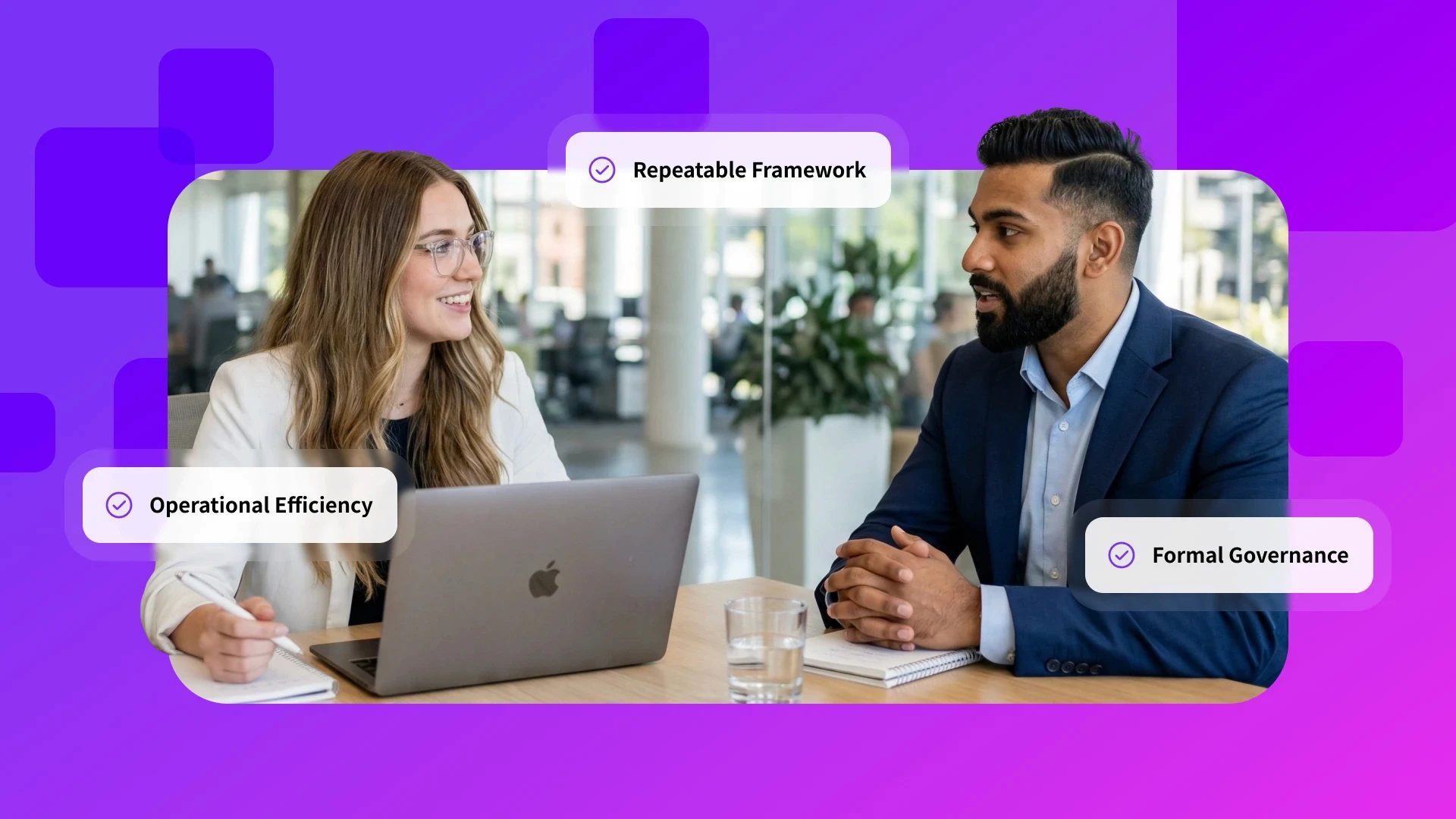
Standardizing identity controls across clients reduces variability and simplifies support. Instead of treating each SaaS platform as a separate configuration task, MSPs can apply consistent authentication and access policies across environments. This reduces time spent troubleshooting inconsistent settings and limits reactive cleanup during audits or incidents.
Structured identity governance also supports compliance conversations. Access reviews, privilege alignment, and authentication enforcement become part of routine service delivery rather than emergency remediation. Clients gain clarity about who has access to what, and MSPs gain a repeatable framework for managing that access.
Operational efficiency improves alongside security posture. When onboarding, offboarding, and access updates follow defined identity workflows, administrative burden decreases. Tasks that previously required manual coordination across multiple SaaS admin portals can be handled centrally.
Positioning SaaS access governance as a managed service shifts the MSP role from reactive support provider to control owner. Clients experiencing rapid SaaS growth often feel overwhelmed by application sprawl. Providing structure around identity and access offers tangible value that extends beyond incident response.
SaaS adoption will continue to expand. MSPs that build governance into their service model can turn that expansion into a strategic advantage rather than a recurring source of risk.
Identity as the Foundation for SaaS Control
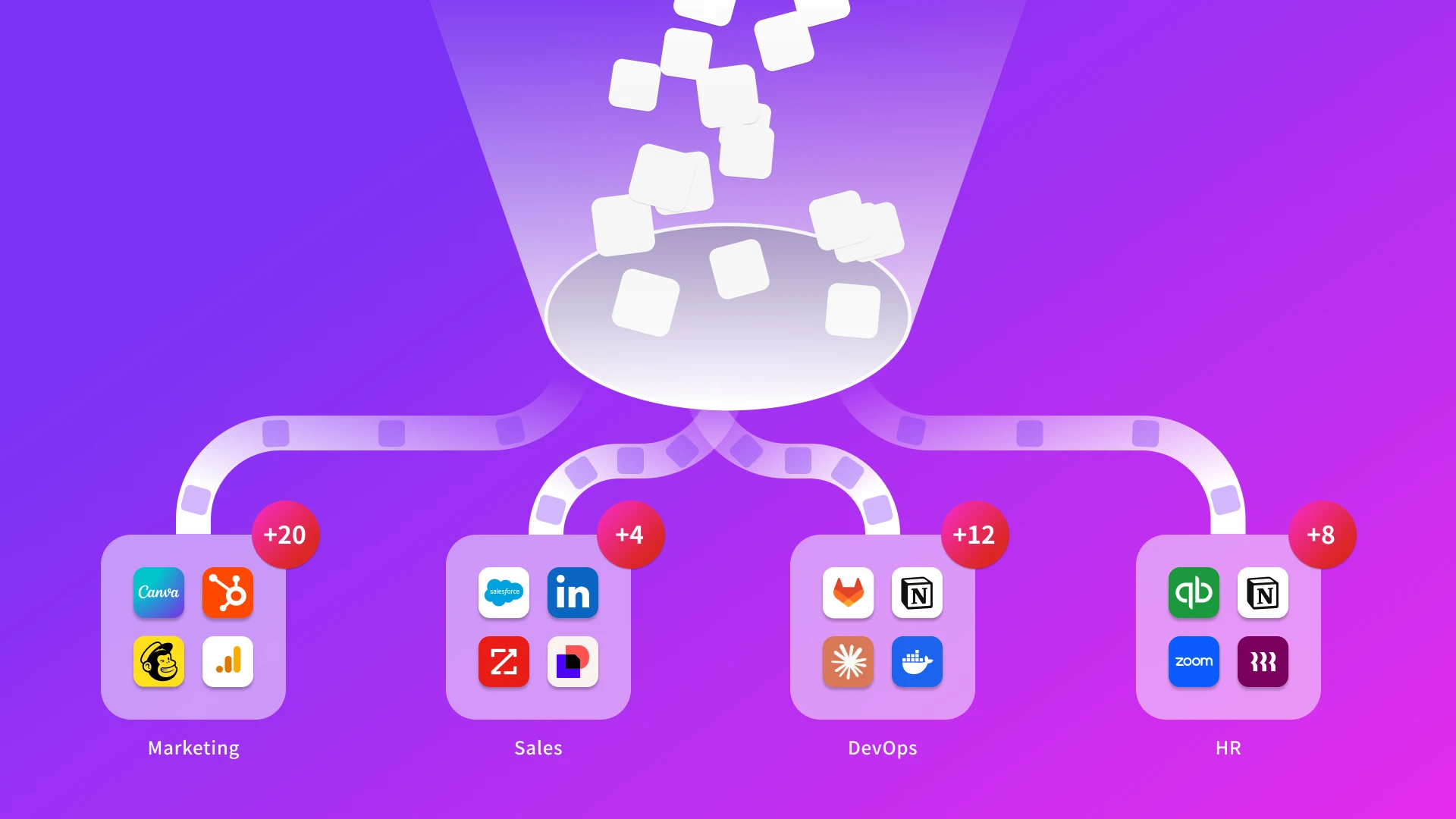
Managing SaaS sprawl at scale requires more than visibility. It requires an identity layer that sits above individual applications and governs access consistently across environments.
An identity-first architecture allows MSPs to federate authentication across Microsoft 365, Google Workspace, and third-party SaaS platforms. Instead of configuring policies independently inside each application, access flows through a centralized identity provider that enforces consistent standards.
This structure supports:
SAML-based single sign-on across major SaaS applications
Centralized multi-factor authentication enforcement
Automated user provisioning aligned with directory updates
Immediate deprovisioning when employment changes occur
Standardized access policies across client environments
When identity sits at the center, MSPs gain control without relying on per-application customization. Authentication policies can be applied once and extended across the SaaS ecosystem. Access governance becomes systematic rather than reactive.
HENNGE Identity is built to support this model. Acting as a federated identity provider, it enables MSPs to centralize authentication, integrate SaaS applications using SAML, and automate lifecycle management in alignment with user directories. This reduces dependency on default platform settings and strengthens access control across distributed environments.
For MSPs managing multiple clients, structured identity governance also improves operational consistency. Policies can be standardized, visibility consolidated, and access workflows streamlined without increasing administrative overhead.
SaaS adoption will continue to expand across SMBs. A centralized identity layer provides the structure necessary to support that growth securely and efficiently.

Restoring Structure to a Growing SaaS Ecosystem
SaaS sprawl is not slowing down. Cloud adoption continues to accelerate across SMBs, often faster than governance models can adapt.
Left unmanaged, that growth introduces fragmented authentication, inconsistent permissions, and expanding credential risk. But with centralized identity and access control, SaaS environments can remain structured, visible, and defensible.
SMBs rarely have the internal resources to manage this complexity alone. MSPs that take ownership of identity governance can restore order, reduce operational friction, and create lasting security value for their clients .
SaaS ecosystems will keep expanding. The question is whether access grows with structure or without it.
To continue exploring identity security, SaaS governance, and MSP-focused cloud strategies, subscribe to our newsletter and follow the series. If you’d like to discuss how identity can simplify SaaS management across your client environments, contact us to start the conversation.