Insights

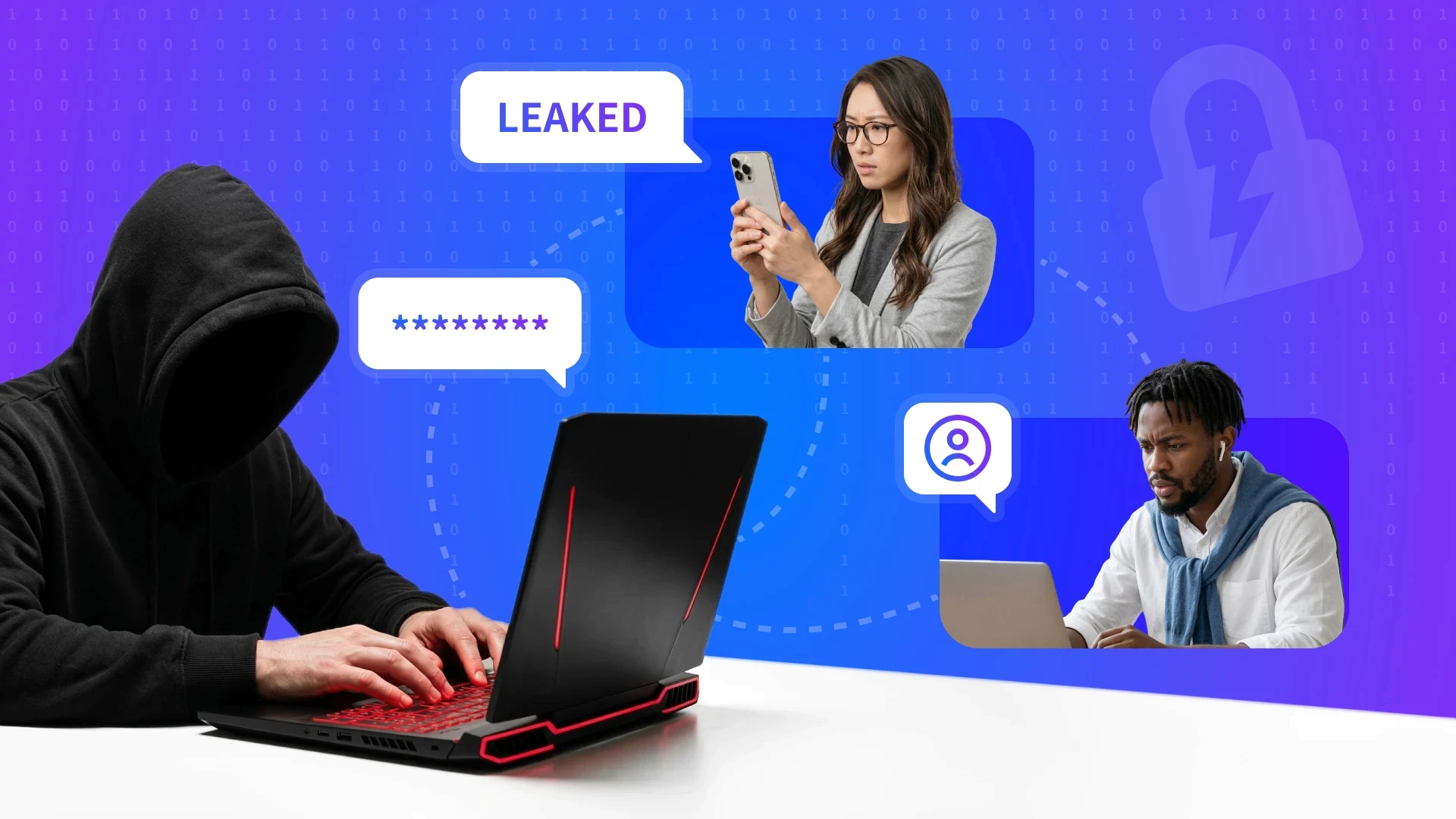
A collection of internal files appears online.
Client contact lists. Contract documents. Support tickets. Authentication logs. Data pulled from multiple organizations, not just one. Some of it’s already circulating on private forums.
No systems were taken offline. No files were encrypted. No ransom notes ever appeared on the screen.
The first warning didn’t come from an alert. It came from a message. A countdown. A threat that the rest of the data would be released if payment wasn’t made.
The breach traces back to a single authenticated session.
This is how modern ransomware operates.
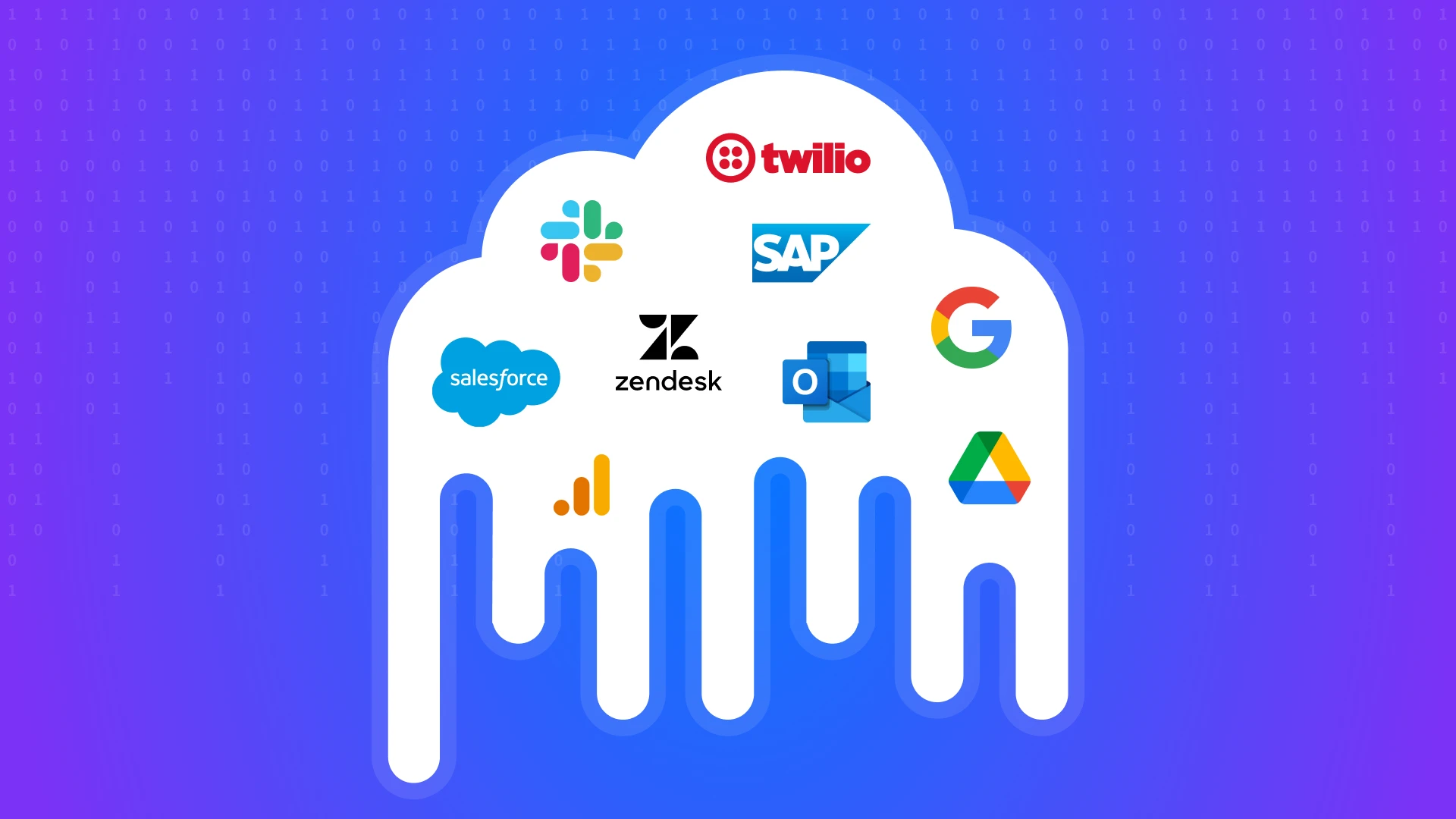
Today’s ransomware groups no longer rely on locking systems to force payment. Instead, they exploit software vulnerabilities or stolen credentials to gain trusted access to enterprise and cloud applications. From there, they quietly exfiltrate data across environments, sometimes over months. When the extortion comes, it’s not about restoring access. It’s about exposure.
For MSPs, this model is especially dangerous. A compromised account or application doesn't impact one business. It can expose many. The attack doesn’t look like an intrusion. It looks like legitimate access flowing through systems designed to trust it.
Ransomware has moved beyond encryption. It now abuses identity, sessions, and the trust relationships MSPs are built on. Understanding that shift is essential for protecting modern client environments.
From File Encryption to Data Extortion
For years, ransomware followed a familiar pattern. Attackers encrypted files, disrupted operations, and demanded payment in exchange for restoration. The damage was immediate and visible. Detection was often straightforward because systems stopped working.
That model is no longer the default.
Modern ransomware groups increasingly prioritize data theft over disruption. Encryption is optional. In many cases, it never happens at all. Instead of forcing downtime, attackers focus on quietly extracting sensitive information and using the threat of exposure as leverage.
This shift offers clear advantages for attackers. Data extortion avoids the operational noise that often triggers rapid response. It reduces the likelihood of early detection. It also creates pressure that is harder to mitigate. While backups can restore systems, they can’t undo public disclosure, regulatory fallout or reputational harm.
Enterprise applications and cloud platforms accelerate this approach. These systems centralize valuable data and are designed for broad accessibility. Once attackers gain trusted access, they often begin mapping the environment to identify high-value information and move between systems in search of additional privileges—a process security teams describe as internal reconnaissance and lateral movement. Because these actions rely on legitimate accounts and administrative tools, attackers can extract data gradually without interrupting normal business hours.
Ransomware has evolved from an availability attack into an exposure strategy. The goal is no longer to break systems. It’s to collect leverage and apply it when the cost is highest.
Understanding this shift is critical, because it changes what effective defenses look like. Preventing ransomware now depends less on recovery speed and more on controlling access long before extortion ever begins.
Credential Abuse as the Primary Entry Point
As ransomware has shifted away from loud disruption, the methods attackers use to gain access have changed as well. Breaking in is no longer necessary when logging in works just as well.
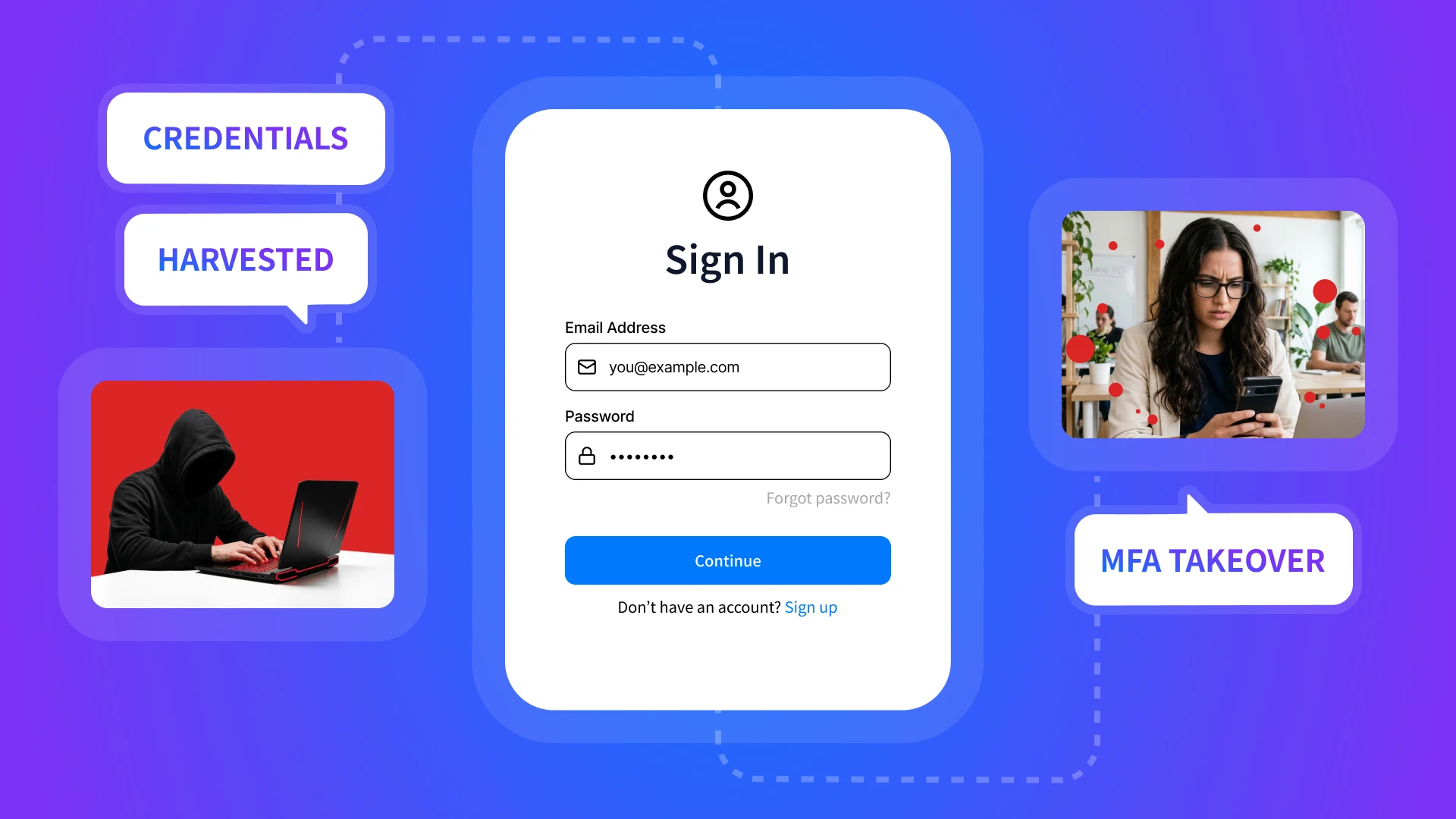
Stolen credentials remain one of the most reliable entry points for modern ransomware operations. Usernames and passwords are harvested through phishing, reused from previous breaches, or obtained via automated credential-stuffing campaigns. Once attackers authenticate successfully, they’re no longer operating outside the system. They’re inside it.
What makes credential abuse especially dangerous is how legitimate it appears. Authentication succeeds. Access policies are followed. Activity blends into normal user behavior. Security tools designed to detect malware or anomalous network traffic often see nothing out of place.
Even when multi-factor authentication is enabled, attackers may still succeed. Session tokens captured through phishing, browsing compromise, or adversary-in-the-middle techniques allow attackers to reuse authenticated sessions without triggering additional challenges. From the system’s point of view, the user is already verified.
This is why credential-based access has become so valuable to ransomware groups. It provides persistence without persistence mechanisms. It allows attackers to move laterally through connected services and enterprise applications using permissions that already exist.
For MSPs, this creates a difficult problem. A compromised credential does not announce itself as a breach. It looks like a trusted login. And once access is granted, the path to sensitive data often requires little resistance.
Ransomware doesn’t need to force its way in anymore. It waits for identity to open the door.
Enterprise and Cloud Applications as High-Value Targets
Once attackers gain trusted access, the next step is discovery—an internal reconnaissance phase where they begin mapping the environment.
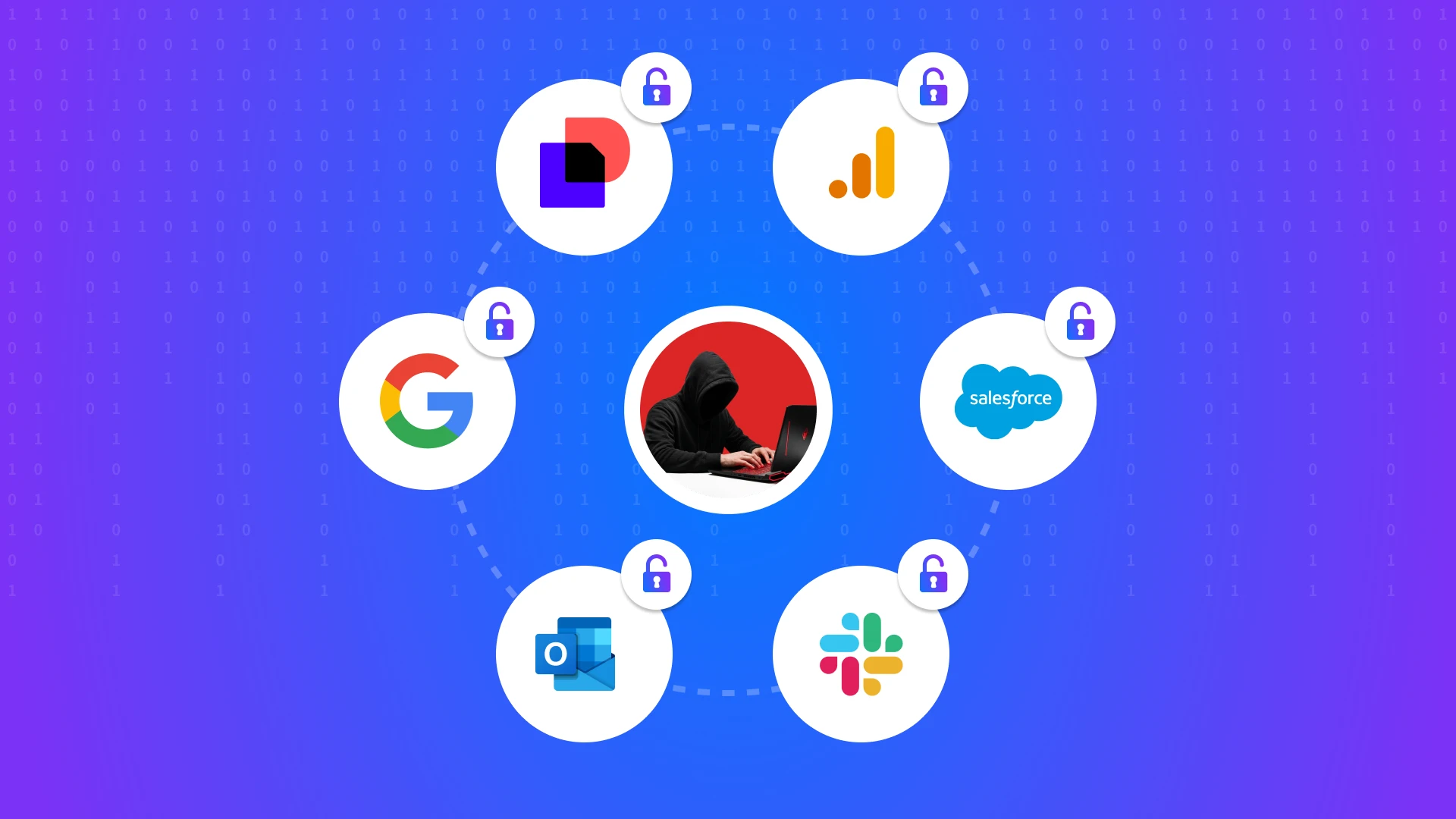
Enterprise applications and cloud platforms concentrate the data ransomware groups want most. Financial records, customer information, intellectual property, internal communications, and operational data often live across a small number of core systems. The environments are designed to be accessible, interconnected, and efficient. Those same qualities make them attractive targets.
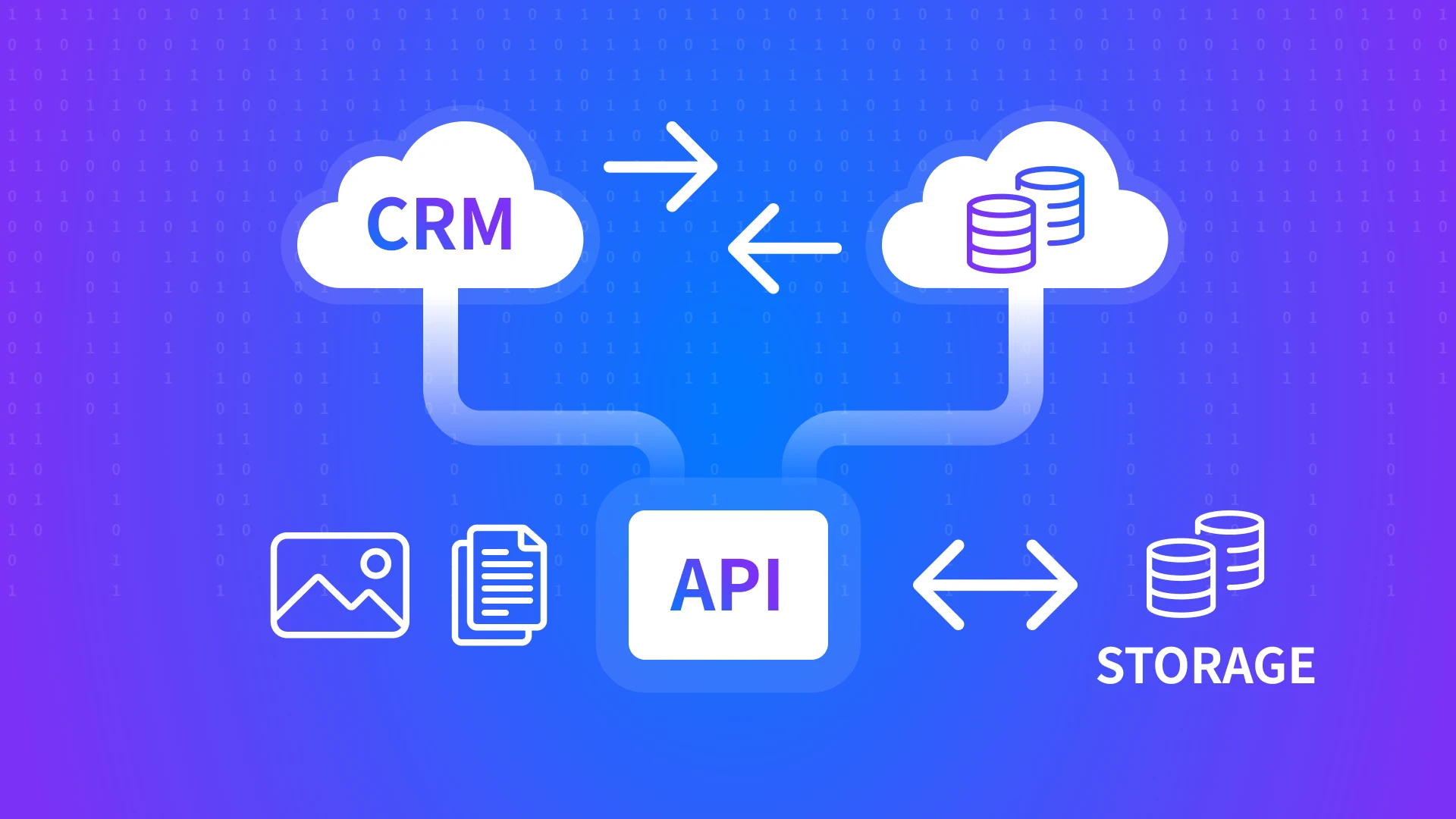
Unlike traditional file servers, enterprise and SaaS applications expose data through structured workflows and APIs. Permissions are already mapped. Integrations already exist. Attackers don’t need to scan entire networks to understand where valuable information lives. They can navigate through applications the same way legitimate users do.
Software vulnerabilities accelerate this process further. When attackers exploit flaws in enterprise platforms, they gain entry points that bypass many endpoint-focused defenses. Combined with stolen credentials, these vulnerabilities allow ransomware groups to operate inside trusted systems with little resistance.
This access also enables lateral movement that is difficult to detect. Enterprise applications are often connected to identity providers, ticketing systems, storage platforms, and analytics tools. Each connection expands the attack surface. Each permission expands the potential impact.
For ransomware groups focused on extortion, these environments offer efficiency and scale. Data can be collected quietly, correlates cross systems, and packaged for maximum leverage. The goal is not speed. It’s completeness.
When ransomware operates through enterprise and cloud applications, the attack no longer looks like a breach of infrastructure. It looks like normal business activity performed at the wrong time, by the wrong actor.
Why These Attacks Are Harder to Detect
By the time extortion demands arrive, the activity that enabled them has usually been sitting in plain sight.
From a monitoring perspective, credential-based ransomware activity rarely triggers obvious alarms. Authentication succeeds. Access permissions align with existing policy. Data requests appear consistent with what a user is technically allowed to retrieve. The activity does not violate system rules. It simply exploits them.
Security tools often focus on identifying malicious code, suspicious executables, or abnormal network traffic. In credential-driven ransomware campaigns, those signals may never appear. The attacker operates inside established workflows, navigating applications and exporting data through legitimate interfaces.
Visibility becomes fragmented across systems. Authentication logs live in one platform. Application activity logs live in another. API activity may be stored elsewhere entirely. Without centralized identity governance and session awareness, correlating this activity into a coherent picture is difficult.
Long dwell times compound the challenge. Attackers don’t need to move quickly. They can test permissions gradually, identify high-value data sets, and extract information in controlled increments. Each action appears small. The cumulative effect becomes visible only after the fact.
For MSPs managing multiple client environments, this complexity multiplies. Each tenant has its own logging structure, its own configuration, and its own blind spots. Detecting malicious intent inside legitimate access requires consistency, context, and a level of identity oversight that many default configurations were never designed to provide.
Modern ransomware succeeds not because it’s louder, but because it is patient and structurally aligned with how cloud systems are built.
Why MSPs Are Uniquely Impacted
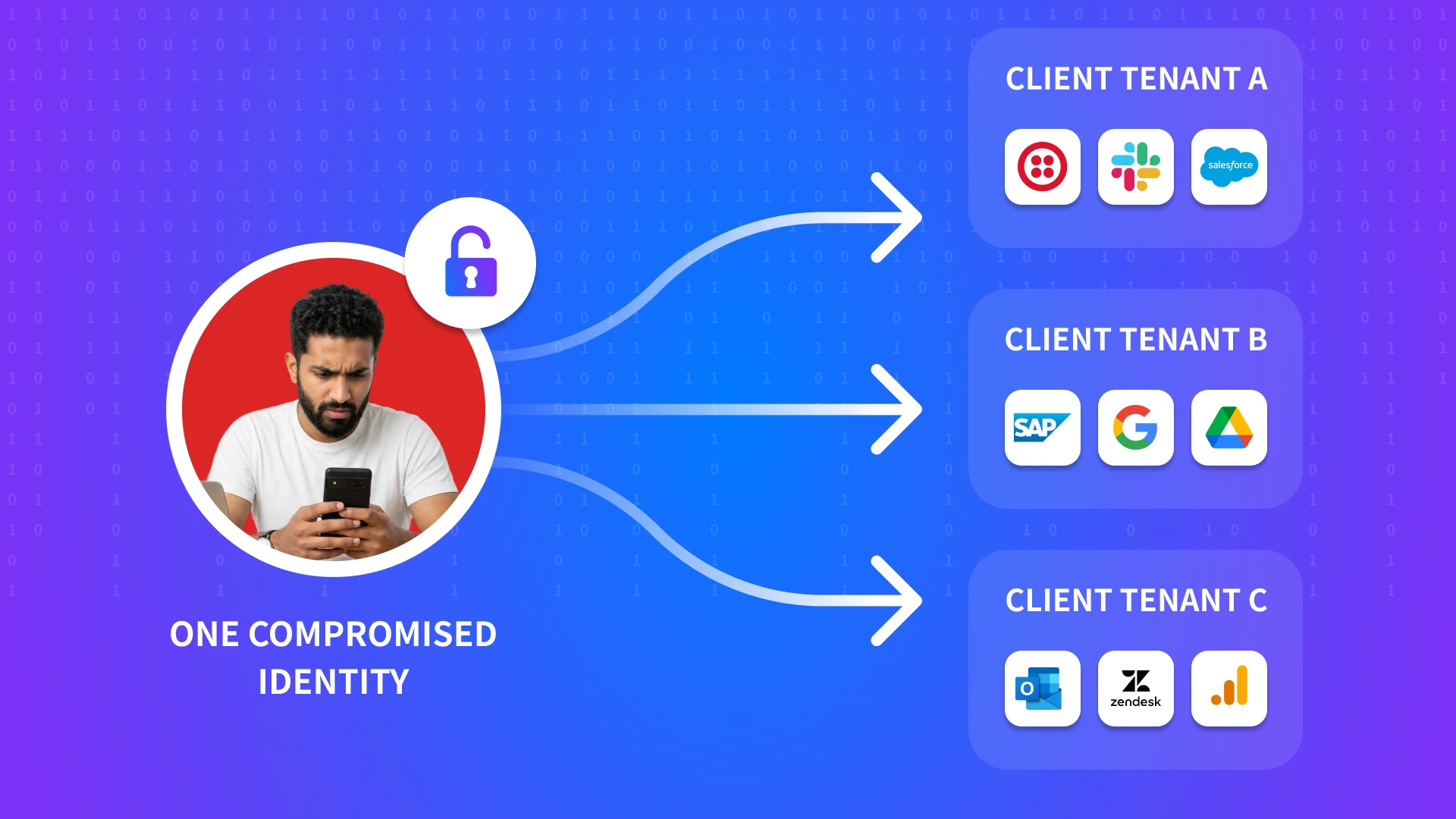
Ransomware that operates through identity doesn’t stay contained within a single environment. It scales.
MSPs manage authentication, application access, and cloud infrastructure across multiple clients. Each tenant introduces its own users, integrations, and enterprise platforms. A single compromised credential can intersect with ticketing systems, shared management tools, backup consoles, or remote administration environments. The interconnected nature of MSP operations increases the potential reach of any one breach.
Clients also rely heavily on SaaS and enterprise applications to run daily business functions. Financial systems, CRM platforms, HR portals, storage environment, and collaboration tools are central to operations. When attackers gain legitimate access to these systems, the damage extends beyond files. It touches contractual data, compliance records, personal information, and internal communications.
The expectations placed on MSPs have evolved alongside the threat. Clients no longer distinguish between a software vulnerability, a stolen password, or a ransomware group exploiting trusted access. They expect prevention. They expect visibility. They expect assurance that sensitive data is protected across systems they don’t directly control.
At the same time, MSPs often inherit inconsistent identity configurations. Clients may use default authentication settings, uneven multi-factor enforcement, or fragmented access policies across different applications. Managing these variations while maintaining strong security posture requires deliberate identity governance rather than reactive response.
In this environment, ransomware exposure is determined long before recovery plans are activated. The level of identity control in place often dictates how far attackers can move and how much leverage they can accumulate. MSPs are positioned at the center of the control layer, whether they choose to treat identity as strategic infrastructure or not.
Reducing Risk Through Identity Controls
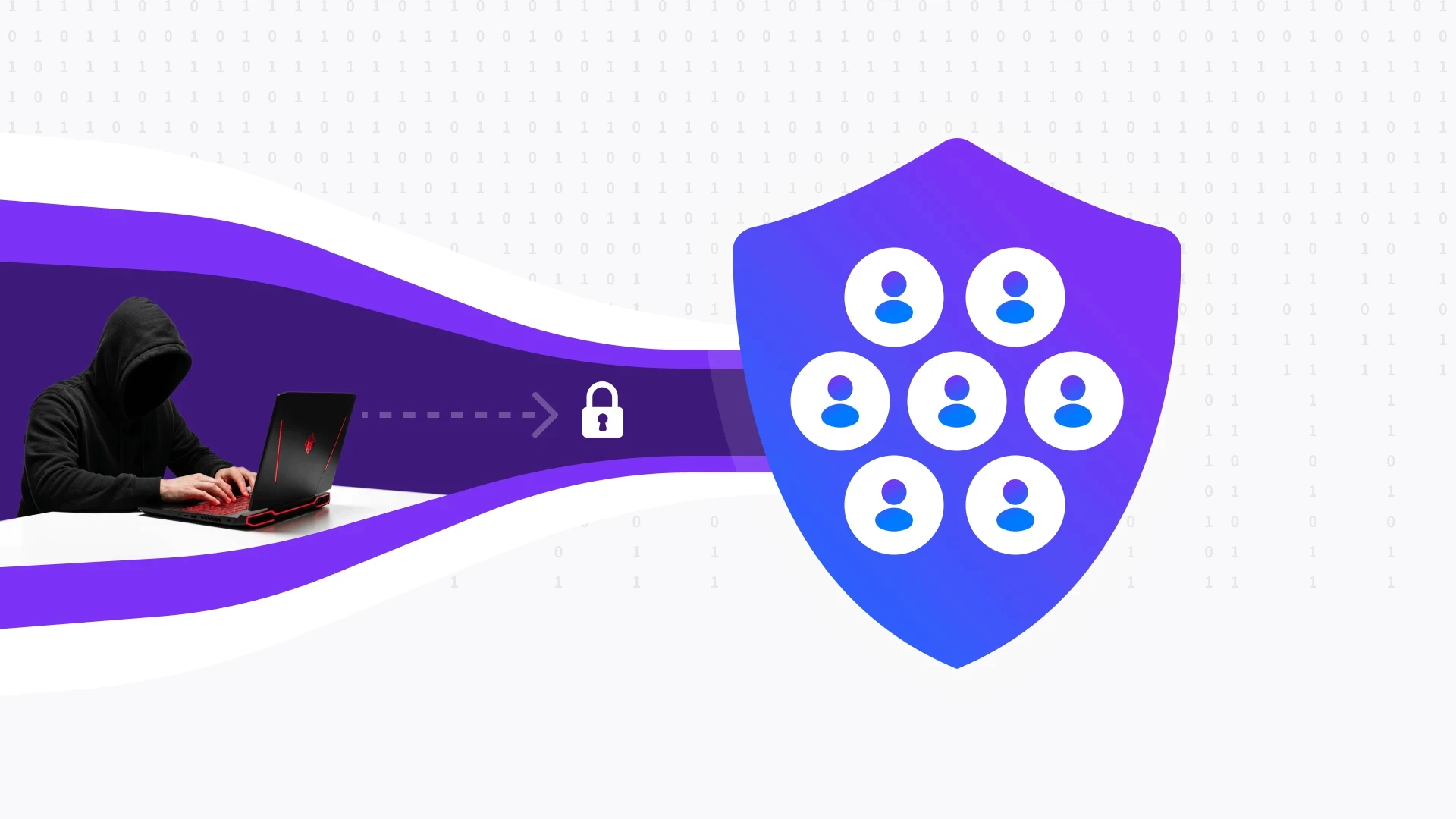
When ransomware operates through legitimate access, the defensive strategy must begin at the identity layer.
Enterprise applications, SaaS platforms, and cloud systems all rely on authentication to determine who can access what. Identity becomes the gatekeeper not just for entry, but for data visibility, privilege scope, and session duration. Strengthening that layer changes how far an attacker can move, even if initial access occurs.
Effective identity controls begin with centralized authentication. When access policies are defined once and applied consistently across applications configuration gaps shrink. Authentication stops being an app-by-app decision and becomes a governed standard.
Multi-factor authentication remains foundational, but it must be applied deliberately. Consistent enforcement across all applications reduces reliance on individual platform settings and closes uneven coverage between systems. Strong authentication shouldn’t depend on subscription tier or fragmented policy controls.
Session governance also plays a critical role. Limiting session lifetime, monitoring token usage, and requiring re-authentication under defined conditions reduces the window of opportunity for attackers operating through stolen credentials. Shorter trust intervals reduce the value of compromised sessions.
Access scope matters just as much as authentication strength. Least-privilege policies ensure that users can reach only the systems necessary for their roles. When permissions are constrained, lateral movement becomes more difficult and data exposure becomes more limited.
For MSPs, identity controls serve two purposes simultaneously. They reduce the likelihood of successful compromise and limit the blast radius when compromise occurs. In ransomware scenarios built on extortion, reducing accessible data directly reduces leverage.
Identity doesn’t eliminate ransomware risk. It shapes it. The degree of control applied at the authentication and session layer often determines whether an incident remains contained or becomes systemic.

How HENNGE Identity Helps MSPs Counter Modern Ransomware
Ransomware campaigns that rely on credential abuse and enterprise application access exploit inconsistencies in how identity is managed. Addressing the risk requires a centralized and enforceable identity layer across client environments.
HENNGE Identity operates as a federated identity provider, allowing MSPs to define authentication policies independent of default Microsoft or Google login configurations. By routing authentication through a unified control point, MSPs gain consistent visibility and policy enforcement across enterprise and SaaS applications.
This structure supports standardized multi-factor authentication across systems, reducing reliance on application-specific settings or subscription-tier limitations. When authentication is governed centrally, policy drift between platforms is reduced and coverage becomes easier to validate.
Context-aware controls allow MSPs to apply additional safeguards based on device trust, IP range restrictions, and access timing. These controls help narrow the conditions under which sessions remain valid and reduce the ability of attackers to exploit compromised credentials operating outside expected parameters.
Session governance further strengthens this model. By managing session duration, enforcing reauthentication requirements, and allowing administrators to invalidate active sessions when necessary, MSPs can reduce long-lived access that ransomware groups often rely on during quiet data collection phases.
HENNGE Identity also enables consistent access scoping across applications. By aligning identity policy with access policy groups that reflect user roles and privilege levels, MSPs can reduce unnecessary data exposure and constrain later movement through connected enterprise systems.
For MSPs managing multiple clients, centralized identity control provides operational consistency. Policies can be applied predictably across environments, simplifying oversight and reducing the variability that attackers often exploit.
In ransomware campaigns built on extortion and data exposure, the amount of accessible information determines leverage. Identity governance directly influences how much access is available and how long it remains active.

What MSPs Should Prioritize in 2026
The evolution of ransomware toward credential abuse and enterprise application exploitation requires adjustments in how MSPs define readiness.
Identity governance should move from a supporting control to a primary security layer. Authentication policies, access scoping, and session management need to be evaluated with the same rigor traditionally applied to endpoint protection and backup strategies. Ransomware preparedness now begins at login.
Visibility across enterprise and SaaS applications deserves greater emphasis. Monitoring authentication events alone is not sufficient. MSPs benefit from correlating access patterns, session behavior, and application-level activity to identify risk earlier in the attack lifecycle. The goal is to detect abnormal access before data aggregation is complete.
Access scope should be reviewed systematically. Privileges that accumulate over time increase exposure. Role alignment, periodic access reviews, and consistent enforcement across applications reduce unnecessary data availability and limit downstream impact when credentials are compromised.
Session lifetime and reauthentication policies also warrant attention. Extended session validity expands the window of opportunity for attackers operating quietly. Establishing defined session controls helps constrain that window without introducing excessive friction for legitimate users.
Finally, ransomware defense planning should account for reputational and regulatory exposure, not only system recovery. Data-centric extortion strategies change how impact is measured. Preparedness must consider disclosure timelines, contractual obligations, and cross-client implications in MSP-mananged environments.
MSPs that treat identity as foundational infrastructure rather than configuration detail position themselves to manage this shift more effectively. The controls applied at the authentication and session layer increasingly determine the scale of any ransomware event.
Ransomware Has Changed. Identity Determines the Outcome.
Ransomware no longer depends on encryption to create leverage. Credential abuse, enterprise application access, and prolonged data collection have reshaped how extortion campaigns unfold.
For MSPs, this evolution places identity at the center of ransomware risk management. Authentication policies, access governance, and session controls influence how far attackers can move and how much data they can reach. Recovery planning remains important, but prevention and containment begin at login.
As ransomware groups continue refining credential-driven strategies, MSPs benefit from treating identity as a primary security layer rather than a supporting control. Centralized authentication, consistent access enforcement, and structured session governance help reduce exposure across modern cloud environments.
To explore how unified identity management can strengthen your ransomware defense strategy, learn more about HENNGE Identity and how it supports MSP-ready identity governance across enterprise and SaaS applications.
You can also read our related insights on AI-assisted cybercrime and identity-based attacks to better understand how modern threat actors are leveraging legitimate access as their entry point.
Ransomware continues to evolve. The controls applied at the identity layer increasingly determine its impact.