Insights

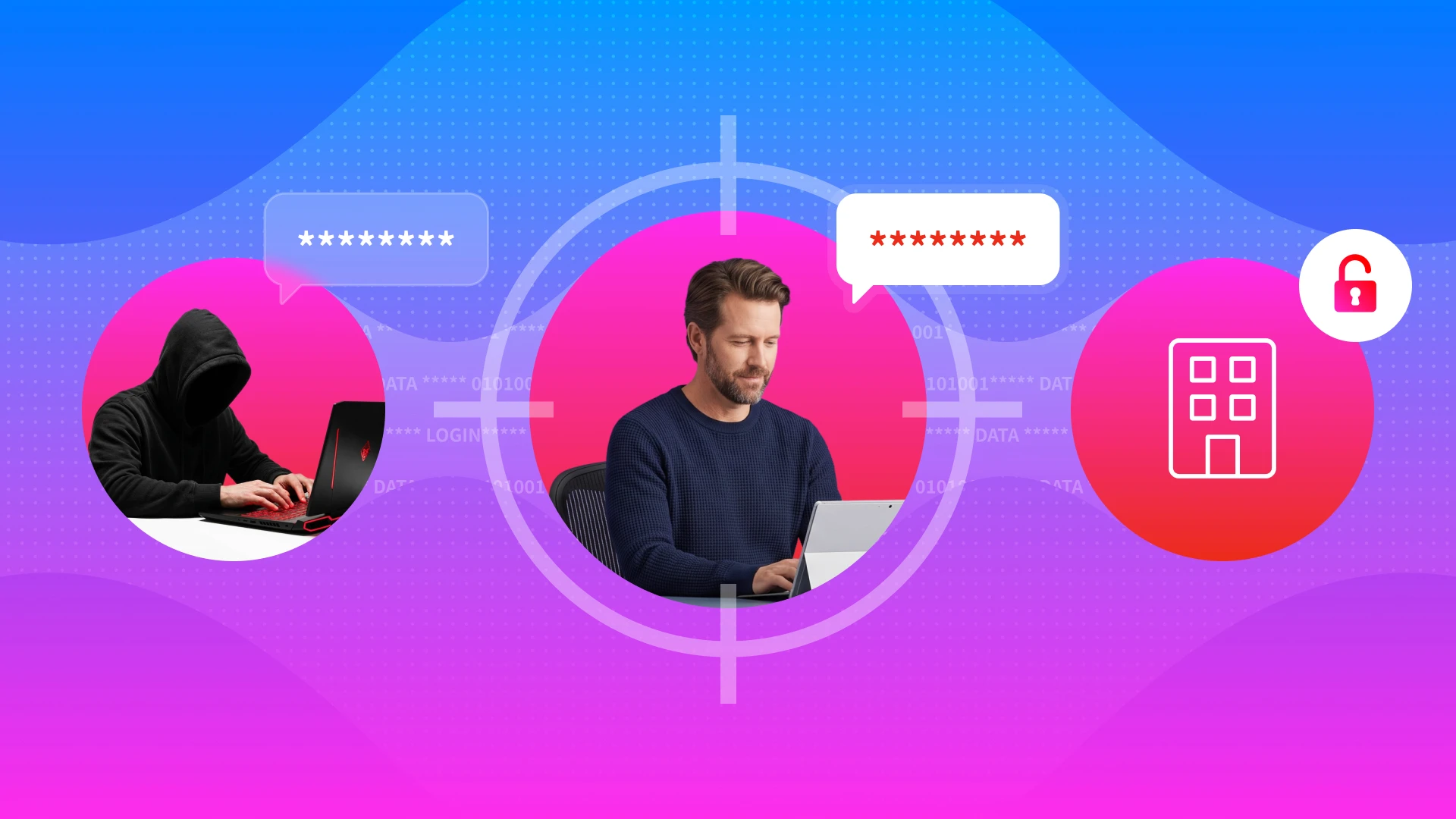
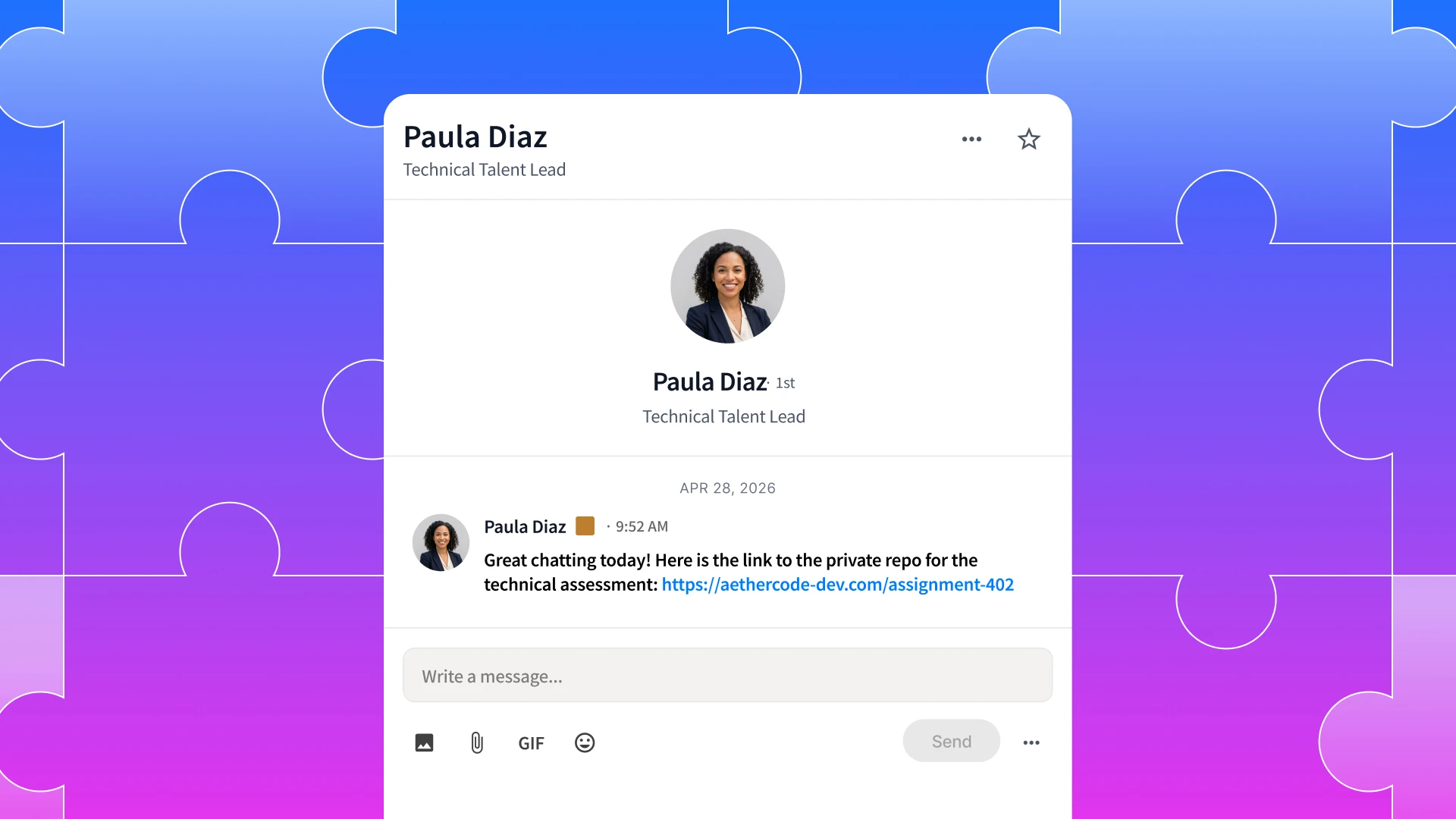
He almost didn’t respond.
By that point, the messages had started to blur together.
“Thanks for applying, but…”
“We’ve decided to move forward with other candidates…”
Silence, more often than not.
It had been a few weeks since the layoff, but not everything had been shut off. A few shared repositories still worked. A contractor account here and there. Nothing unusual. Nothing urgent.
Just enough access to still matter.
So when the message came through, it felt different. Not because it was flashy—but because it was specific.
The recruiter mentioned his experience with a framework he’d only used on one project.
Referenced a company he had worked with two years ago. Even called out a detail from his GitHub that most people would have missed.
It felt like someone had actually read his profile.
He replied.
The conversation moved quickly after that.
A call. A technical discussion. Then a take-home assignment.
A private repository. Clean structure. Detailed instructions.
Everything about it felt…normal.
Professional. Legitimate. Familiar.
He needed this to be real.
So he didn’t question it.
The code ran without errors.
That was enough.
Weeks later, there was no single moment he could point to as the mistake.
No malicious link. No obvious warning sign. No system alert.
Just a conversation. A repository. A login.
By the time anyone realized what had happened, access had already been established—credentials exposed, systems mapped, pathways open.
This isn’t an isolated case.
Recent reporting shows state-linked threat actors targeting developers, contractors, and individuals connected to critical industries using highly personalized outreach, fake recruiting workflows, and AI-assisted profiling (as documented in multiple industry reports). These campaigns don’t rely on breaking into systems. They rely on people—on timing, context, and moments of vulnerability. In security terms, this is a form of social engineering, but the techniques have evolved far beyond the traditional phishing messages most organizations are trained to detect.
For MSPs supporting SMB environments, this changes where attacks begin.
The first point of compromise isn’t a firewall, an endpoint, or even a corporate account.
It’s a person.
And by the time access reaches the organization, the attack is already in motion.
The Expansion of State-Linked Campaigns
The scenario isn’t isolated to job seekers or developers.
Recent campaigns linked to state-sponsored groups show a broader pattern: targeting individuals connected to critical industries as a pathway into larger systems. Defense contractors, technology providers, suppliers, and consultants are all part of the same extended network—and each represents a potential entry point.
These operations are not opportunistic. They’re deliberate.
Targets are selected based on relevance to specific sectors or access to valuable systems. Outreach is tailored to the individual’s role, experience, and current activity. In many cases, the interaction unfolds over days or weeks, building familiarity before any request is made that could expose access or information.
This level of precision reflects a shift in how these campaigns are conducted. Rather than focusing on breaching network perimeters, attackers are investing time in understanding the people who operate within environments.
The supply chain amplifies the impact.
An individual working for a smaller contractor may have indirect access to larger organizations. A developer collaborating on a shared project may connect to repositories or systems outside their own company. A consultant may move between environments as part of their role. Each of these relationships creates a pathway that doesn’t require breaking through hardened infrastructure.
What begins as a target interaction with one person can extend across organizations.
For MSPs, this introduces a different type of exposure. Security responsibilities no longer begin and end within the boundaries of a single environment. The broader ecosystem—partners, contractors, and individuals—becomes part of the attack surface, even when those users are operating outside managed systems.
AI-Enhanced Profiling and Social Engineering
The effectiveness of these campaigns depends on how well the attacker understands the person they’re targeting.
That process no longer requires manual research.
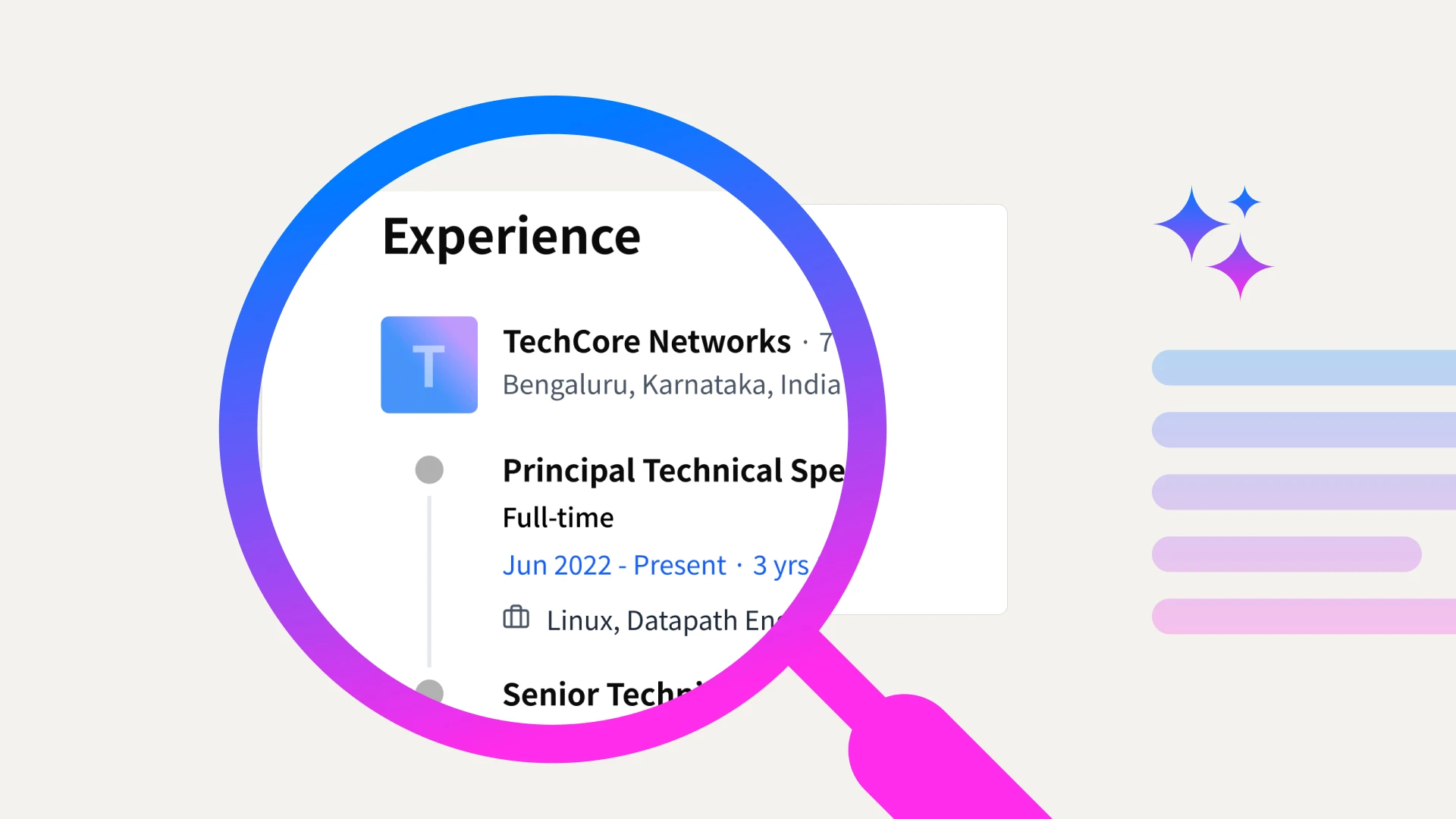
Public profiles, code repositories, conference talks, and social activity provide a detailed picture of an individual’s work, interests, and current priorities. What once took hours to assemble can now be aggregated and analyzed quickly, allowing attackers to build profiles that feel specific rather than generic.
This changes how the first message is written.
Instead of broad outreach, communication can reference:
A recent project
A specific technology stack
A past employer or collaboration
Even the timing of a job search or career transition
The result is not just a convincing message. It’s a relevant one.
That relevance lowers suspicion. It creates a sense that the sender has context, familiarity, or a legitimate reason for reaching out.
From there, the interaction evolves.
A recruiter suggests a role aligned with the target’s experience.
A collaborator proposes contributing to a project that matches their skills.
A vendor reaches out with a request that fits into an existing workflow.
Each step feels consistent with normal professional activity.
The technical layer follows later.
A repository is shared.
A document is reviewed.
Access is requested.
By the time these actions occur, the interaction has already established enough credibility that the request doesn’t feel out of place.
For teams responsible for security, this creates a different kind of challenge. This risk is no longer defined by obvious indicators like malicious links or suspicious attachments. It’s defined by how closely an interaction resembles legitimate work.
Why Individuals Are the Primary Entry Point
The interaction begins outside the boundaries most security controls are designed to protect.
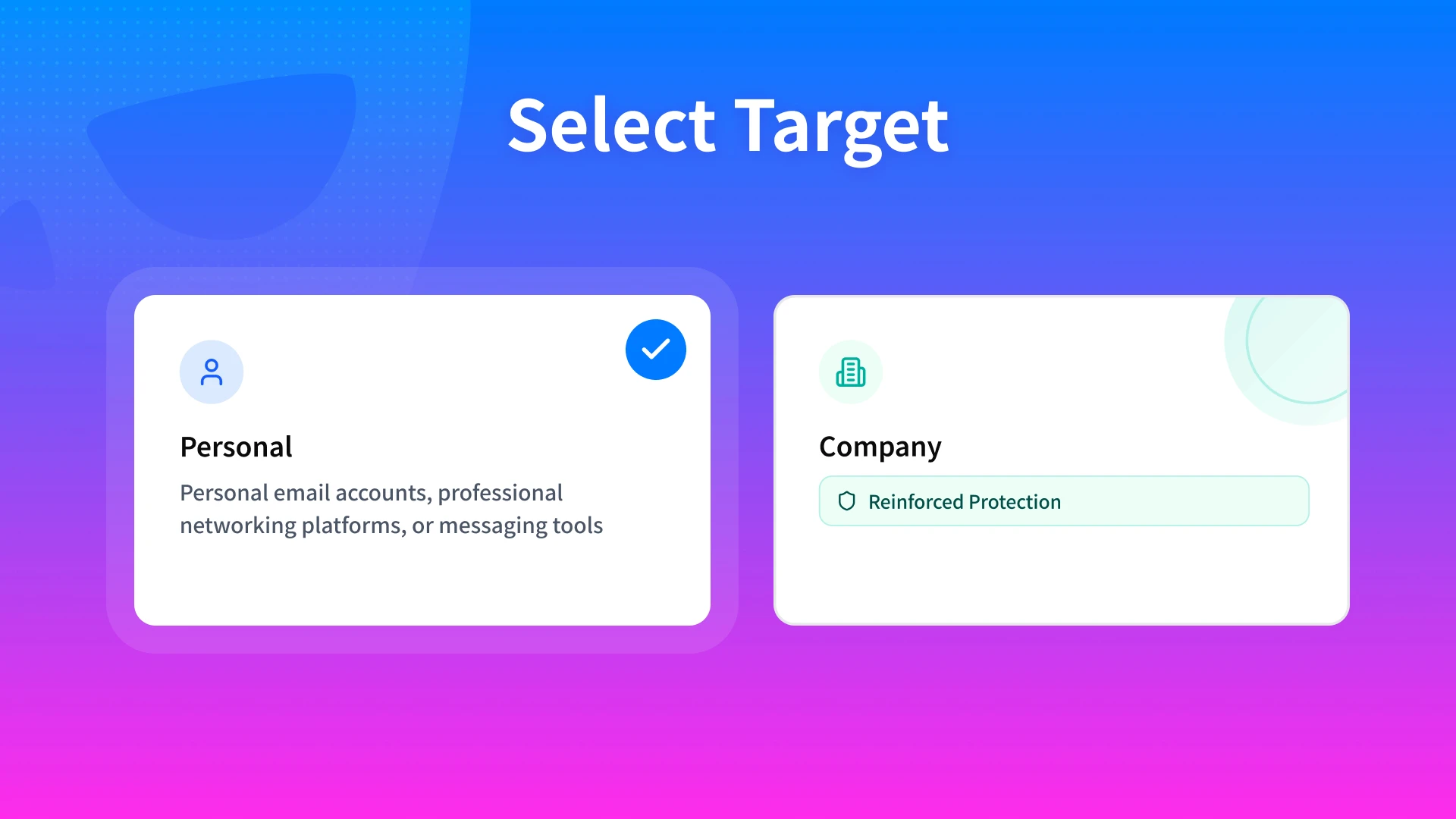
Messages arrive through personal email accounts, professional networking platforms, or messaging tools that aren’t managed by the organization. The device being used may be personal. The network may be home Wi-Fi or a public connection. At this stage, there’s no clear line between personal and professional activity.
That separation matters.
Security policies applied within corporate environments don’t extend to these interactions. There’s no enforced authentication policy, no device validation, and no centralized visibility into what is being accessed or shared.
The decision to engage happens entirely at the individual level.
Professional context adds another layer. Conversations about job opportunities, partnerships, or collaborations are expected parts of day-to-day work. Responding to a recruiter, reviewing a project, or exploring a new opportunity doesn’t feel like a security decision. It feels like a normal career activity.
This is where the entry point forms.
Credentials may be entered into a system that appears legitimate. Code may be executed in an environment assumed to be safe. Access may be granted without the safeguards typically applied inside corporate systems.
By the time those credentials or sessions are used within an organization’s environment, the initial interaction is already complete. The activity that enabled access occurred elsewhere, beyond the reach of traditional controls.
What follows inside the organization is only the continuation of that process.
How These Attacks Reach the Organization
Once access is established at the individual level, the next phase depends on how that identity connects to organizational systems.
In many cases, the same credentials used on personal devices are also used to access corporate applications, repositories, or collaboration platforms. Even when separate accounts are maintained, authentication often occurs from the same device, creating a bridge between personal activity and enterprise access.
This connection allows attackers to move from the initial interaction into environments that were never directly targeted.
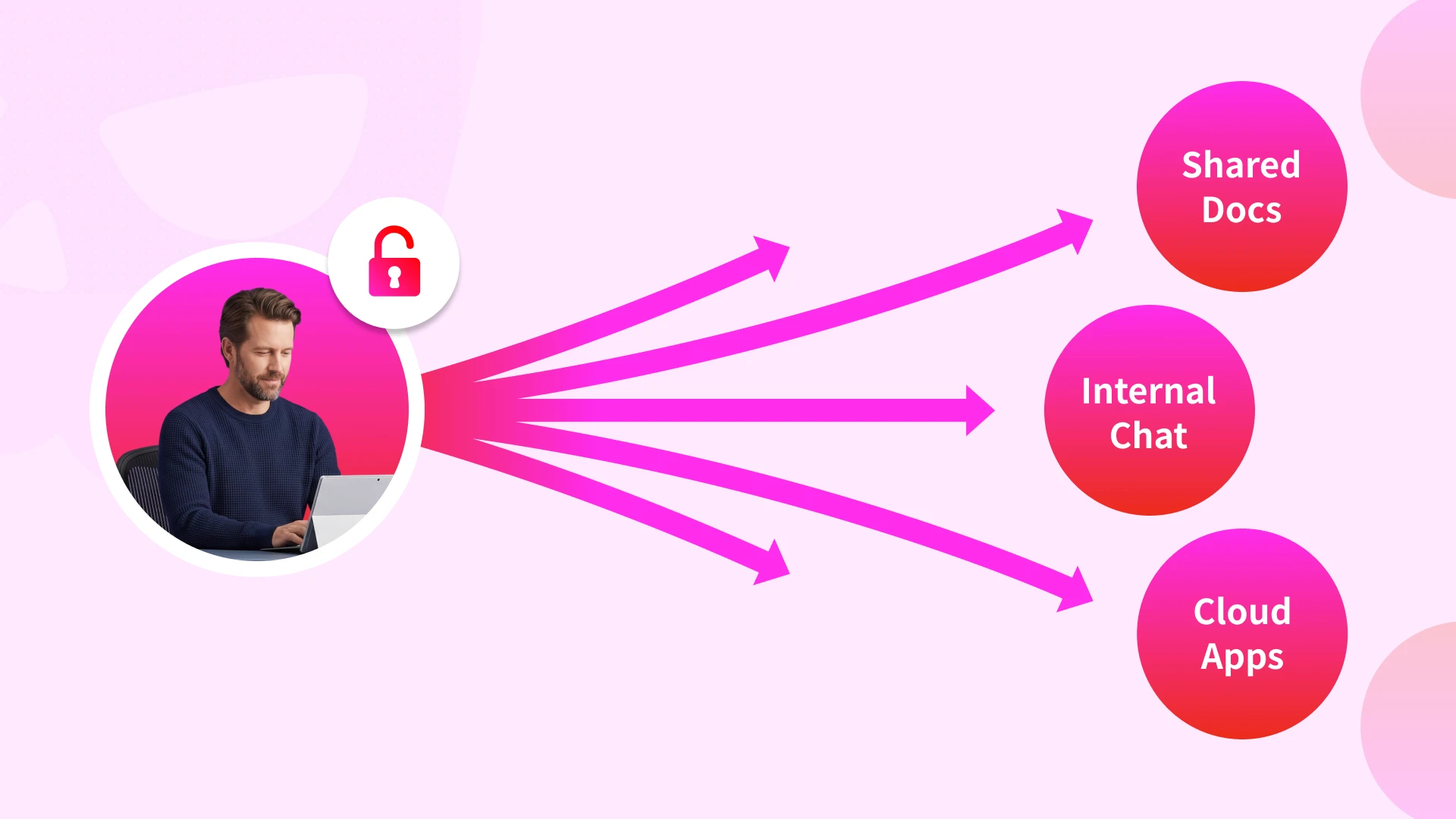
A compromised account can be used to:
Access internal communication tools
Interact with shared documents or repositories
Initiate requests that appear to come from a trusted user
These actions don’t require immediate escalation. They rely on continuity.
The attacker operates within the same patterns established during the initial interaction, extending trust from one context into another.
Supply chain relationships increase the reach of this access.
Individuals working with external partners, vendors, or clients often have permissions that extend beyond their primary organization. Shared systems, integrated platforms, and collaborative workflows create pathways that connect multiple environments. Access through one identity can introduce risk across several organizations without triggering a clear boundary breach.
This progression rarely presents a single moment that defines the incident.
There’s no obvious point where an external attacker forces entry into a system. Instead, access develops gradually—moving from personal interaction to professional activity, from one system to another, and from one organization to the next.
By the time the activity is recognized as a threat, it’s already embedded within trusted workflows.
What These Attacks Exploit
These campaigns don’t rely on breaking through traditional defenses. They exploit the boundaries those defenses are built around.
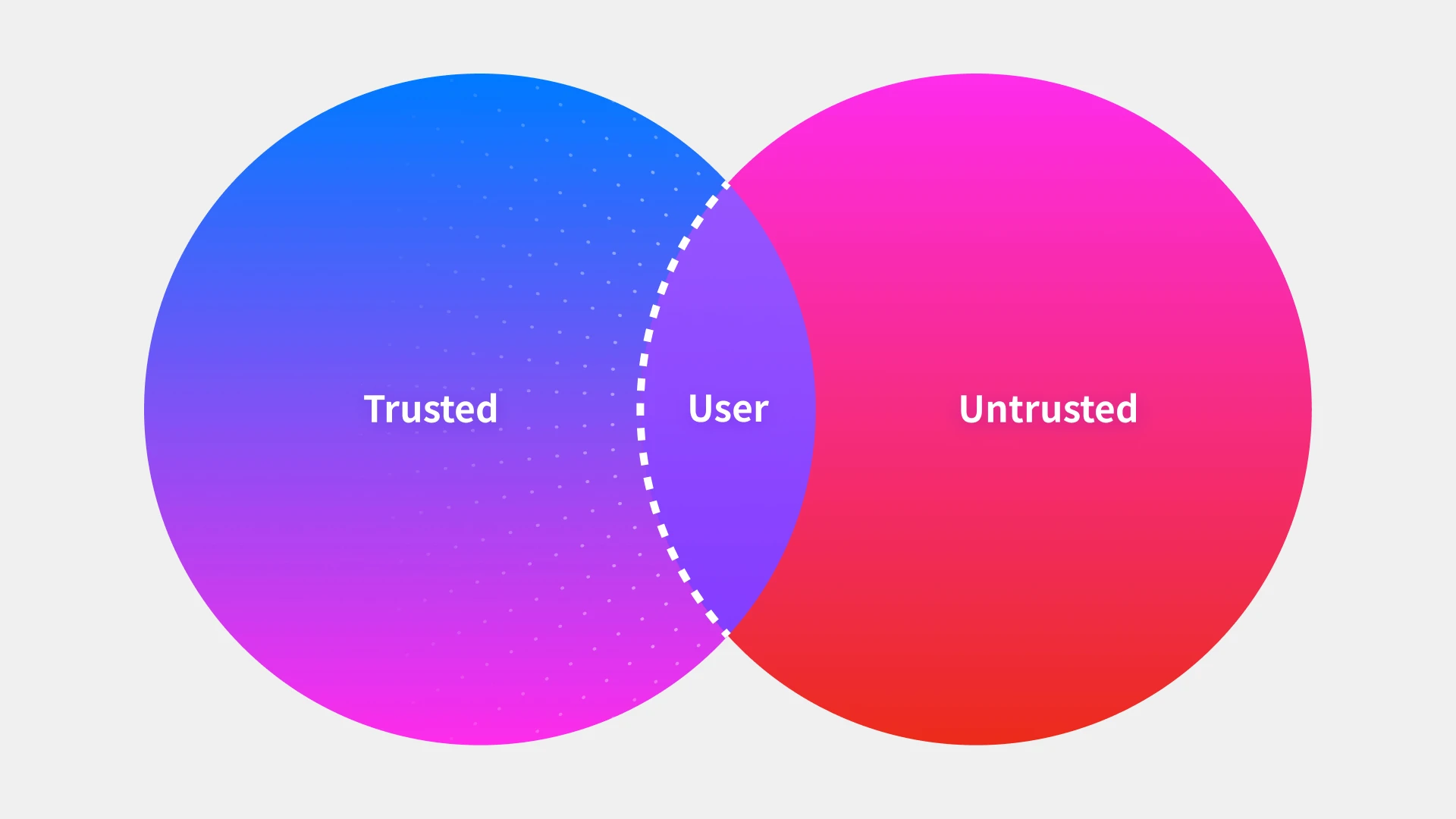
Most security models assume a clear distinction between trusted and untrusted environments. Inside the organization, security controls are applied to monitor access, manage devices, and enforce authentication policies. Outside that boundary, activity is treated as external and largely untrusted.
These attacks operate in the space between those assumptions.
The initial interaction takes place outside managed systems. The device isn’t controlled. The communication channel isn’t monitored. At that point, there’s no mechanism to evaluate whether the interaction is legitimate or malicious.
By the time access reaches corporate systems, the activity appears to originate from a known user.
Authentication succeeds.
The device may not be recognized, but it's not always challenged.
The session begins with valid credentials.
From the system’s perspective, the request is legitimate.
This creates a visibility gap.
Security controls can detect known threats within the environment, but they have limited context about how access was established. The interaction that led to compromise occurred elsewhere, beyond the scope of logging, monitoring, or policy enforcement.
Identity adds another layer of complexity.
Authentication policies may vary between applications. Some systems enforce strong controls, while others rely on simpler methods. Access conditions aren’t always applied consistently across devices or locations.
These inconsistencies create opportunities. An attacker doesn't need to bypass every control—only the ones that are weakest or least consistently enforced.
The result is a model that assumes trust once authentication is complete, even when the path to that authentication was never verified.

Expanding Defense Beyond the Organization
The point of failure in these scenarios is not a single system. It’s the gap between where interactions begin and where access is ultimately granted.
Closing that gap requires extending security beyond the boundaries of the organization.
Identity provides a way to do that.
Rather than tying security controls to a specific network or device, identity-based policies can be applied wherever authentication occurs. This allows access decisions to reflect not just who the user is, but how and where the request is being made.
Authentication becomes one part of a broader evaluation.
Multi-factor authentication helps ensure that credentials alone aren’t sufficient to gain access. When applied consistently across systems, it reduces the likelihood that compromised accounts can be reused without additional verification.
Context adds another layer.
Access requests can be evaluated based on factors such as location, time, or expected usage patterns. When activity falls outside those expectations, additional verification can be required or access can be denied.
Device trust is particularly important in this context.
When authentication is tied to known, approved devices, access can be limited to endpoints that meet defined security standards. Even if credentials are exposed during an interaction that occurs outside the organization, attempts to use those credentials from an unrecognized device can be blocked.
This changes the outcome of the attack.
The initial interaction may still occur. The message may still be convincing. But the ability to translate that interaction into meaningful access becomes constrained.
Security no longer depends solely on preventing the first step. It depends on controlling what happens next.
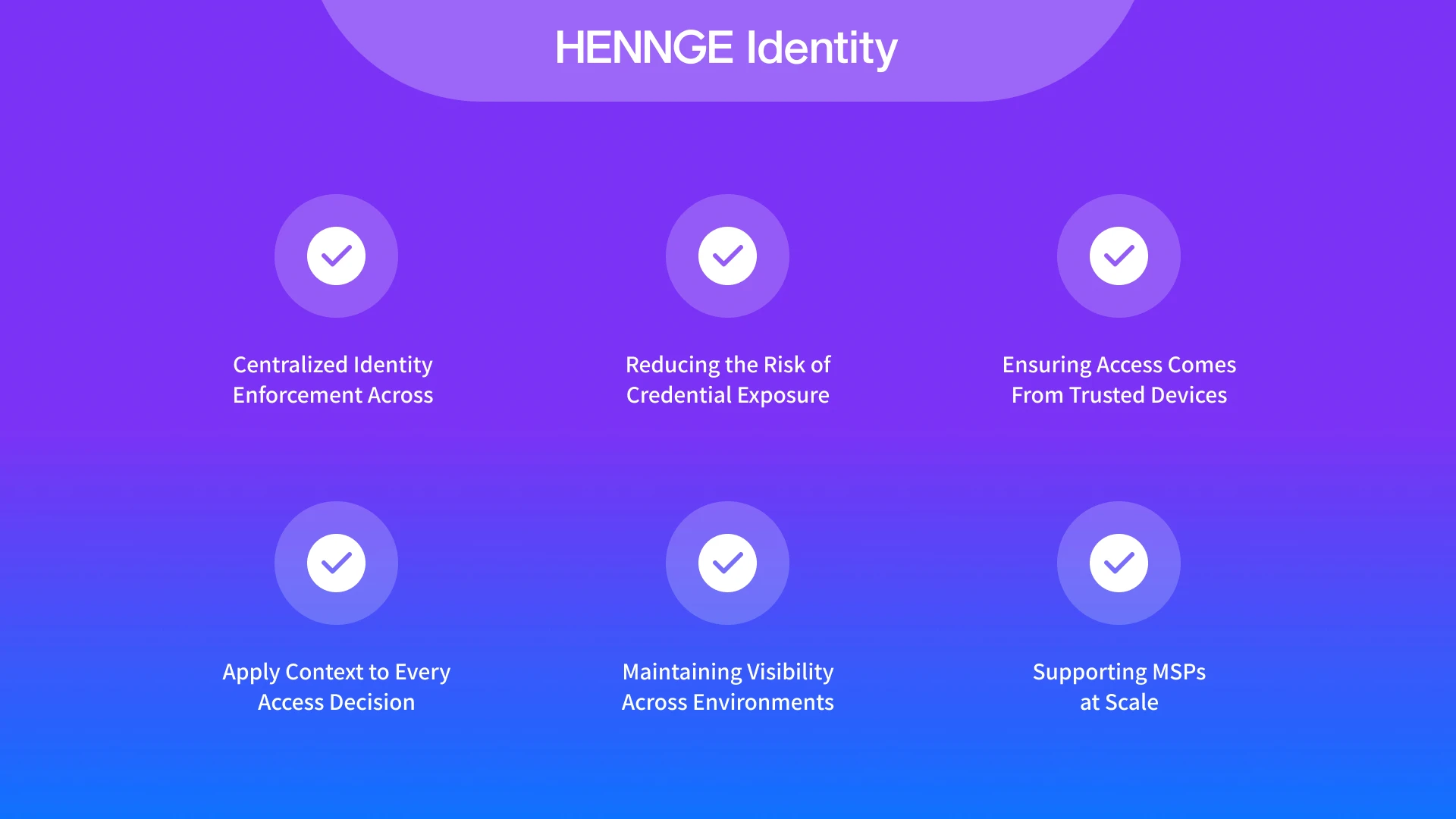
How HENNGE Identity Helps Protect Against Personal Attack Vectors
Centralized Identity Enforcement Across
When access begins outside the organization, controlling how that access is validated becomes critical.
HENNGE Identity provides a centralized layer for enforcing authentication policies across Microsoft 365, Google Workspace, and connected applications that support SSO. Instead of relying on individual systems to determine how access is granted, identity policies can be applied consistently regardless of where the request originates.
Reducing the Risk of Credential Exposure
Multi-factor authentication adds a necessary layer of verification, ensuring that a username and password alone aren’t enough to establish access. When enforced consistently, it reduces the likelihood that compromised credentials can be reused across systems.
Ensuring Access Comes From Trusted Devices
Device certificates play a more decisive role.
By tying authentication to approved devices, access can be limited to endpoints that are known and trusted. Even if a user unknowingly provides credentials during a convincing interaction, attempts to use those credentials from an unrecognized device can be blocked. Because authentication is tied to the device itself, users can access systems without relying on passwords, reducing friction while strengthening security. Access can also be revoked immediately if a device is lost, replaced, or no longer trusted.
Apply Context to Every Access Decision
Context-aware policies further refine how access is granted.
Authentication requests can be evaluated based on IP ranges, time of access, and expected usage patterns. Requests that fall outside these conditions can be challenged or denied, helping ensure that access aligns with how users typically operate.
Maintaining Visibility Across Environments
Centralized logging provides visibility into authentication activity across systems.
Authentication events and access patterns can be monitored and quickly filtered to isolate specific activity, making it easier to identify unusual behavior and investigate potential compromise—even when the initial interaction occurs outside traditional monitoring boundaries.
Supporting MSPs at Scale
For MSPs managing multiple client environments, these controls create a consistent model for protecting access, even when interactions begin beyond the organization’s direct control. Policies can be applied and replicated across tenants, allowing standardized configurations to be deployed quickly without requiring manual setup in each environment.

Securing the Human Entry Point
The interaction at the beginning didn’t look like an attack.
It looked like an opportunity.
That’s what makes these campaigns effective.
They don’t rely on breaking systems or bypassing controls. They rely on moments—career transitions, professional conversations, opportunities that feel legitimate and timely. By the time those interactions intersect with corporate systems, the trust has already been established.
Security models that focus on only infrastructure aren’t designed to address that reality.
The boundary has shifted.
Access no longer begins inside the organization. It begins wherever the individual happens to be—on a personal device, in a private conversation, or in a context that feels unrelated to security altogether.
From there, the path into the organization is often straightforward.
For MSPs, this expands the scope of what needs to be protected. Safeguarding systems and applications remains essential, but the conditions under which access is granted have become just as important. Identity controls must account for where interactions begin, not just where they end.
When authentication is enforced consistently, when access is tied to trusted devices, and when context is part of every access decision, the outcome of these attacks changes.
The message may still arrive.
The conversation may still happen.
But the ability to turn that interaction into access can be limited.
If you’re evaluating how to protect users across both managed and unmanaged environments, HENNGE Identity helps enforce strong authentication, apply context-aware access controls, and ensure that only trusted devices can access critical systems.
To learn more about how HENNGE Identity can help reduce the risk of identity-based attacks, contact us to start the conversation. You can also subscribe to the blog for ongoing insights into emerging cybersecurity threats affecting MSPs and SMBs.